

The strongest suppliers of precision CNC turned parts in 2026 combine live-tooled CNC turning centers, documented inspection data, and transparent quoting.
This guide covers seven manufacturers that serve engineering buyers globally. Their machining capabilities, tolerance bands, certifications, and lead times appear before each write-up.
What Are CNC Turned Parts?
CNC-turned parts are parts made on a CNC lathe, where the rotating material is fed into the stationary cutter until it reaches the desired shape. The rotating part must be a round ar stock in nature.
Because the geometry is generated by revolution, turning is the most efficient method for producing cylindrical parts such as shafts, bushings, pins, gear blanks, valve bodies, and joint connectors.
There are several sequential steps in the CNC turning process, including facing, roughing, finishing, drilling, threading, and parting. All the processes are programmed using G-codes. Roughing passes remove bulk material at high feed rates. Finishing passes take light depths of cut to hold precise dimensions and produce smooth finishes.
Modern turning centers add live tooling, which drives rotating cutters while the part is held in the chuck. The process is instrumental in performing operations such as cross-holes, flats, slots, and milling in a single setup, without the transfer errors that may occur when transferring the part to another machine.
Multi-spindle machines and automatic screw machines distribute operations across several spindles at once, making them the cost floor for high-volume production of simpler turned components.
Factors That Decide Which CNC Turning Service Is Better
The better CNC turning services provider is the one whose process capability, certification scope, and volume economics match your specific part. This need not necessarily be the one with the highest process capability range. A shop holding ±0.0005 in. on aircraft components is the wrong partner for 50,000 brass fittings, and vice versa. Evaluate against the nine criteria below.
Tight Tolerances
Ask for the tolerance the supplier holds in production, not the machine’s positioning spec. Request data or CMM reports from a comparable job. In normal manufacturing, CNC machining would usually be within ISO 2768-m or ±0.005″. Parts that require high accuracy, such as bearing fits, sealing surfaces, and press fits, typically call for a few thousandths or tighter , while precision machining would be at a ±0.0002″ diameter tolerance level.
Machining Capabilities
The list of cutting-edge equipment should correspond to your product’s geometry. The use of live tools and sub-spindles is necessary for producing complex parts in a single pass. Without them, your part needs secondary operations and a second setup. For long, slender parts under 32 mm in diameter, Swiss capability is not optional.
High Volume Production
The cost structures of prototype shops and volume-production shops differ. A supplier optimised for one-off work will quote setup-heavy pricing that never amortizes across 100,000 pieces. Ask what a typical annual release looks like for their existing customers.
Certifications
ISO 9001 is the baseline. Incorporate AS9100D for the aerospace industry, ISO 13485 for medical devices, and IATF 16949 for the automotive industry. Verify that the certificate covers the facility that will actually machine your metal parts rather than a parent entity.
Lead Times
Machining lead time needs to be separated from the delivered lead time. The one-day lead time for manufacturing the products in Asia requires an additional three to five days for air transportation and customs clearance.
Cost Effectiveness
A cost-effective supplier is measured on landed cost per conforming part: unit price, freight, duty, inspection, and scrap. Piece price alone hides all four of the others.
Material Certifications
Material test reports and certificates of conformance are part of the basic offering, not an extra cost added to the bill. For stainless steel, carbon steel, and aerospace alloys, heat-lot traceability is what makes material expertise auditable.
Quote Transparency
A useful quote itemizes setup, tooling, material, machining time, finishing, and inspection.
If your vendor does not provide information on tooling amortization expense, you cannot determine your cost for the second release.
Ease of Communication
Response time is the first indicator of risk in a program. Vendors who respond well to your manufacturability review request, which includes your concerns regarding your drawings, within one business day, can see problems before any chips fly.
Top 7 CNC Turned Parts Manufacturers Globally
The seven components manufacturers below cover the full range of buying situations, including instant-quote digital platforms, factory-direct Asian suppliers, and specialist Swiss turning shops. A specification box appears before each company listed, so you can review the required specifications before continuing.
1. PARTMFG – China / Global
|
CNC turning services and machining capabilities |
CNC Turning, Swiss-type Turning, Live tooling turning centers, 3, 4, and 5 Axis Milling, Wire EDM, In-House Finishing |
|
Materials and tolerances |
Aluminum, Stainless Steel, Carbon & Alloy Steel, Brass, Copper, Titanium, and Engineering Plastics. By default, tolerances based on ISO 2768-m are used, but smaller tolerance bands are offered for controlled drawing tolerances. |
|
Industries and certifications |
Automotive, industrial machinery, robotics, and consumer hardware. Quality management system ISO 9001 compliant with CMM inspection and material traceability. |
|
Lead times |
Prototype turned parts in days, with production runs scheduled against the release forecast. |
|
Best for |
Customers who are seeking to move the validated design from prototyping to manufacturing without changing the supplier. |
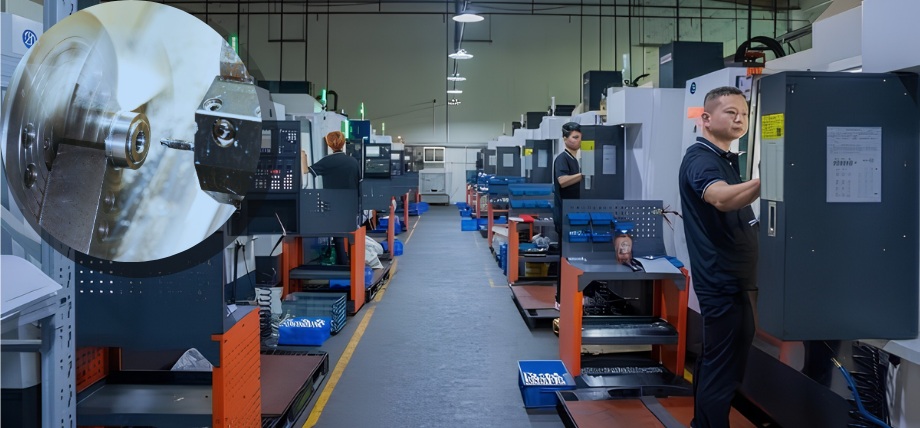
PARTMFG was founded in 2014 and operates as a factory-direct supplier rather than a brokerage, which shortens the loop between a tolerance query and a revised process plan.
Separately, handling turning and milling on live-tooled equipment removes a re-fixturing step that would otherwise stack positional error between the turned diameter and the cross-drilled hole.
Ask for the reorder rate, on-time delivery percentage, and reject rate over the last 12 months, since these three figures better describe production reliability than a single first-article result.
Key Advantage: Control of the complete machining process at the factory, avoiding the need for any action to go through a third-party network.
2. Xometry – USA / Global
|
CNC turning services and machining capabilities |
Network of more than 5,000 manufacturing suppliers operating CNC lathes and turning centers, with live tooling and machine-learning DFM feedback delivered at the quote stage |
|
Materials and tolerances |
Wide variety of metals and plastics. Typical tolerance is usually less than ±0.004 inches, and tighter ones are sent to specialty vendors. |
|
Industries and certifications |
ISO 9001:2015, AS9100D, ISO 13485:2016, IATF 16949:2016, ITAR certified, CMMC Level 2 |
|
Lead times |
Prototype and production part quotes in days |
|
Best for |
Regulated industry purchasers needing certification, range, and immediate pricing all in one process |
Xometry is a manufacturing marketplace founded in 2013. The platform serves more than 34,000 customers, including over 70 percent of the Fortune 500. Consider adding the revenue trajectory, from $218 million in FY 2021 to $546 million in FY 2024, since it is public and verifiable. The company can provide CAD-based instantaneous quotes on price, lead time, and manufacturability, thanks to its large network of vetted manufacturing partners. The trade-off is inherent to the marketplace model. Your part may be routed to different shops between releases, so specify inspection and first-article requirements explicitly if batch-to-batch consistency is critical.
Key Advantage: the widest certification coverage available through a single purchase order, backed by full inspection documentation.
3. Protolabs – USA, UK, Germany
|
CNC turning services and machining capabilities |
Turning CNC lathes with live tools for flats, slots, grooves, and OD/ID threading. Axial and radial holes are also offered. |
|
Materials and tolerances |
Aluminum, brass, low-carbon steel, stainless steel, steel alloy, and titanium. Standard tolerance is ±0.005 in. (0.13 mm). Specialized tolerance available at ±0.002 in. (0.05 mm) through network partners. |
|
Industries and certifications |
Medical, aerospace, and industrial. Linear tolerances are listed according to ISO 2768-1. |
|
Lead times |
Machined parts are shipping in as little as one day on automated workflows. |
|
Best for |
Design iteration loops when the delivery time defines the schedule of development |
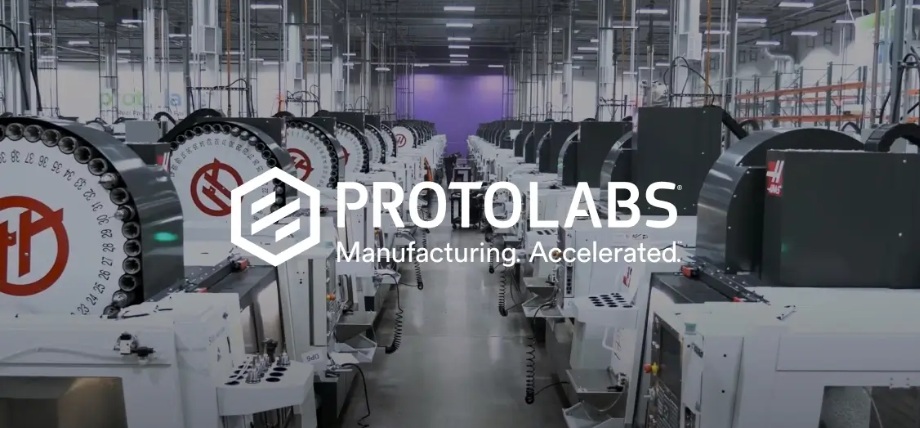
Protolabs was founded in 1999 by Larry Lukis as The Protomold Company and now runs its own manufacturing facilities alongside a supplier network of around 250 manufacturing partners. It manufactures its precision-turned components from rod stock using live tooling. This technology enables both turning and milling in a single operation, making the processes faster and more reliable. The automated quoting path enforces a standardized toolset, so parts with complex geometries or tight tolerances are routed to the high-precision service, which carries a longer quote cycle and a human review.
Key advantage: the fastest available delivery time for low-volume turned parts, with tolerance information provided to design the parts before quotation.
4. RapidDirect – China / Global
|
CNC turning services and machining capabilities |
Shenzhen factory and a pre-vetted network of partners, offering 3- to 5-axis machining, turning, wire EDM, and in-house finishing capabilities. |
|
Materials and tolerances |
ISO 2768-m for metal parts and ISO 2768-c for plastic parts, with tolerance up to ±0.005 in. More than 50 material options are available. |
|
Industries and certifications |
Certified according to ISO 9001:2015, ISO 13485, ISO 14001, and IATF 16949; in-house CMM and XRF inspection available. |
|
Lead times |
CNC-machined parts in 1 day, and 3 to 5 days via air freight for shipping internationally. |
|
Best for |
Mid-volume production that requires low unit prices and must have automotive and medical certifications. |
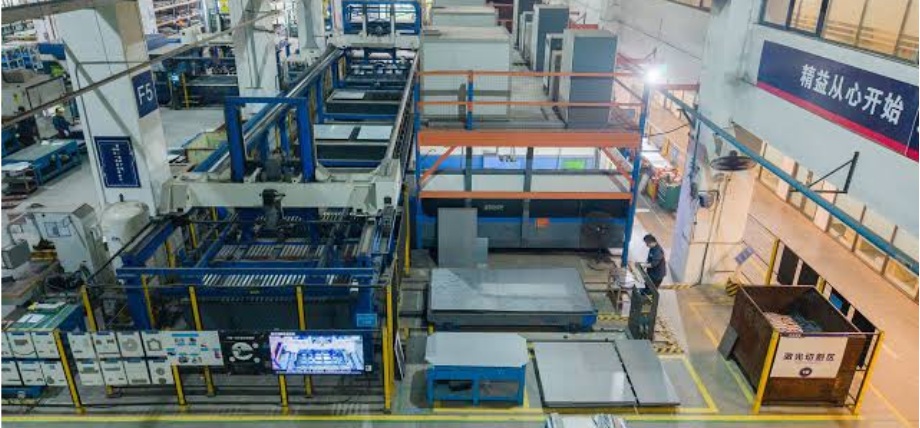
Established in 2009, RapidDirect is a factory-direct manufacturer with more than 200 machine tools and an AI-driven quoting engine that generates guaranteed pricing and design-for-manufacturing reviews within minutes. The company serves more than 20,000 customers across 120 countries and regions and offers free Certificates of Conformance and Material Test Reports. The combination of IATF 16949 and ISO 13485 at a factory-direct price point is the main draw for buyers with regulated end applications. Confirm whether the in-house factory or a network partner will run your job, because inspection depth differs between the two.
Key advantage: a combination of automotive and medical certifications and direct factory prices with inspection documents.
5. STAR Rapid – China
|
CNC turning services and machining capabilities |
CNC turning and milling, rapid tooling, pressure die casting, metal 3D printing, and in-house finishing. |
|
Materials and tolerances |
Aluminum, steel, stainless steel, brass, and engineered plastics, with drawing tolerances checked by CMM |
|
Industries and certifications |
Consumer products, industrial machinery, and medical. ISO 9001 quality system with Western QC management. |
|
Lead times |
Prototype CNC Turning normally takes 1 to 2 weeks, depending on finish requirements |
|
Best for |
Western customers requiring a Chinese cost structure with English-speaking engineering management. |
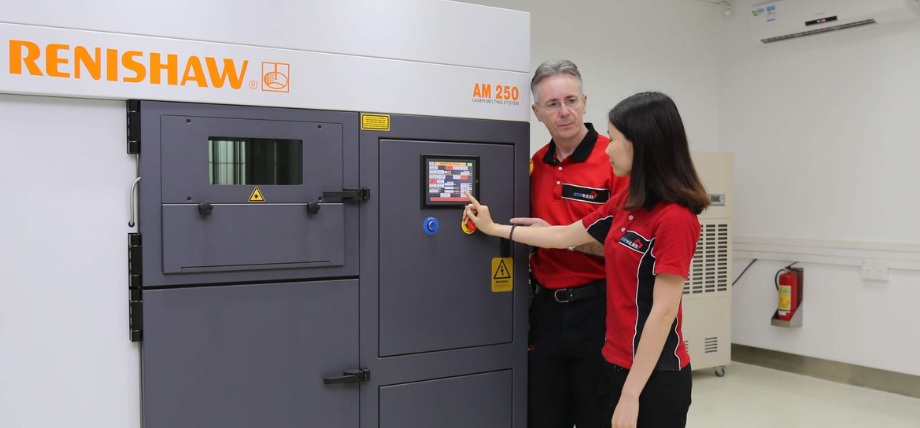
STAR Rapid was founded in 2005 by Gordon Styles, a British engineer who had previously built and sold a UK rapid prototyping business, and traded as Star Prototype until the rebrand was completed in 2017. Styles continues to serve as president and CEO. The company’s precision turned machining operations are complemented by CNC milling, rapid tooling, pressure die casting, and metal 3D printing services. This suits the stage after prototyping but before tooling is committed, where a supplier needs to hold consistent quality across small batches while the design is still moving.
Key advantage: Western engineering management and proper IP management in a Chinese cost base.
6. Fictiv – USA, India
|
CNC turning services and machining capabilities |
Distributed manufacturing network covering turning, milling, and finishing across four regions. |
|
Materials and tolerances |
Complete metal and plastic line. Standard ISO 2768 bands apply, with tighter tolerances available on drawing-specified features. |
|
Industries and certifications |
Robotics, medical, aerospace, mobility. ISO 9001, AS9100, and ISO 13485 network partners. |
|
Lead times |
Quotes in hours; parts ship in one to two weeks. |
|
Best for |
Diversification of the supply chain away from single-country reliance |
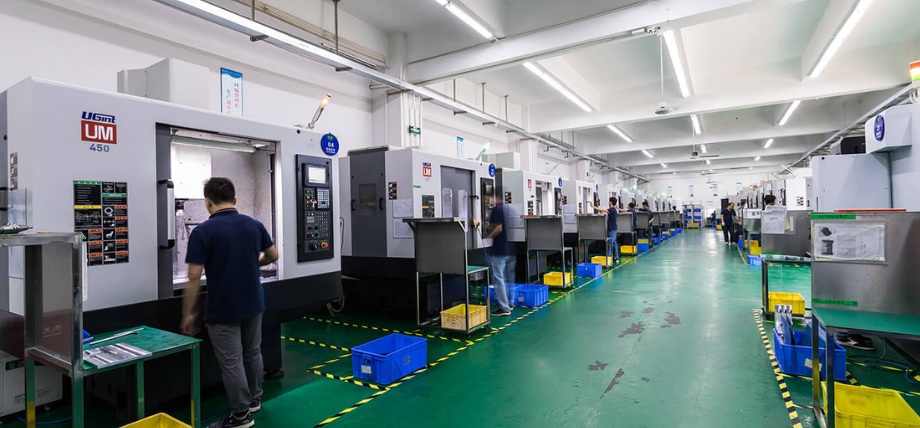
Founded in 2013 by brothers Dave and Nate Evans and acquired by the MISUMI Group in April 2025, Fictiv was a platform business backed by the balance sheet of an established components distributor. The company’s precision-turned machining operations, together with milling and finishing, rely on a regional manufacturing center and local quality departments for improved inspection and document control. The solution enables quotation, logistics, and quality management through a single point of contact. However, it is advisable to have explicit first-article requirements to maintain consistency in a distributed manufacturing environment.
Key advantage: Multi-regional capability within one qualification & one business relationship.
7. Cox Manufacturing Company – USA
|
CNC turning services and machining capabilities |
Two-axis turning, multi-axis turning machines with up to 12 axes of movement, and screw machines |
|
Materials and tolerances |
Stainless steel, carbon steel, brass, aluminum, and alloy bars, with tolerance levels that are appropriate for bearing and sealing fit |
|
Industries and certifications |
An established quality management system supports automotive, aerospace, hydraulics, and industrial applications. |
|
Lead times |
Schedule is based on annual release volumes, not one-offs |
|
Best for |
Sustained production projects involving hundreds of thousands of parts each year |
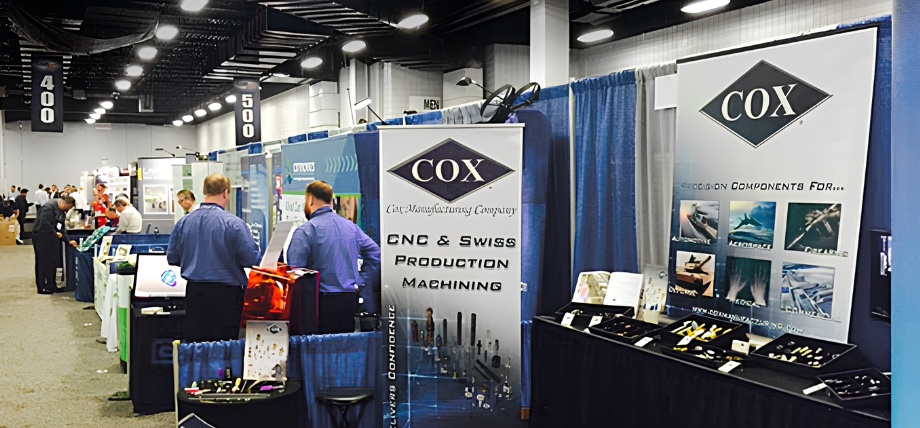
Cox Manufacturing was founded in 1956 by William Cox Sr., who started the business by bidding on a nearly new Swiss-type screw machine at auction and initially supplied screw machine products to the electronics industry, with the capacity to produce up to 1.9 million components each week. The combination of two-axis turning, which offers a low-cost production method, and multi-axis machining, which enables the processing of complex shapes, makes the company an ideal choice for repetitive volume production.
Key advantage: a true screw machine and multi-axis volume capacity in a United States manufacturing facility for projects where continuity of supply takes priority over first-article speed.
Design Tips for Better CNC Turned Parts
The cost savings of precision manufacturing are greatest from design choices before the request for quotation. These include standardizing features to stock tooling, relaxing non-functional tolerances, and eliminating operations that force a second setup. Each of the three areas below routinely moves the unit price by double-digit percentages.
Designing for Manufacturability
When designing parts, select dimensions based on the standard sizes of the cutting tool’s shape rather than an arbitrary number, thereby avoiding the need for a custom tool. The ratio of the length to the diameter of the design should be kept within the capability of the machine without the aid of a steady rest. Beyond roughly 3:1 on a conventional lathe, deflection begins to affect diameter consistency, and Swiss turning becomes the better route. In such a case, it is better to use the Swiss turning process.
Avoiding Over-Tolerancing
If the tolerances are too tight, the machinist may have to modify the part program, use a special cutter, or add a secondary operation to meet them, all of which add cost without increasing the product’s functionality. High-precision specifications should apply only to those parts that fit, seal, and locate. All other tolerances must have block tolerances. A drawing in which every dimension reads ±0.001 in. tells the estimator nothing about what actually matters, so they price the entire part at the tightest band.
Complex Geometries
In situations where high-quality components have both turning and milling diameters, verify whether the supplier can machine these components on the live-tooling machine in a single setup. Single-setup machining maintains the position between turned and milled features far better than transferring the part to a mill, where re-fixturing introduces its own error stack, as opposed to transferring the turned component to the milling machine, which would introduce an additional error stack due to another setup. In situations where secondary operations such as cross-drilling, broaching, and heat treatment are involved, establish datum surfaces that survive each operation.
Final Thoughts: Sourcing CNC Turned Parts
Select a supplier by matching volume bands, tolerances, and certifications for your component, then confirm through first-article inspection. Digital platforms win in speed and breadth of certification. Factory-direct Asian suppliers win on landed cost at mid volumes. Dedicated Swiss and screw-machine shops win on annual programs where cycle time drives everything.
When working on your next project, demand three things from the selected suppliers: a CMM report for a similar project, tolerance capability for your dimensions, and a quotation that includes the cost of tools in addition to the per-piece price. Suppliers who supply all three without hesitation are usually the ones who can hold exact specifications in production, not just in the quote.
FAQ
Who are the best CNC turned parts manufacturers in the world?
PARTMFG, Xometry, Protolabs, RapidDirect, STAR Rapid, Fictiv, and Cox Manufacturing are global leaders in this domain. Each company leads the way in its particular combination of volume, tolerance capability, and certification.
Which country is best for CNC turned parts manufacturing?
China offers the lowest cost at mid-to-high volumes; the US and Germany lead in tight-tolerance aerospace work; and India and Mexico serve nearshoring and China+1 sourcing.
What tolerances can CNC turning achieve?
The standard production tolerance is ISO 2768-m or ±0.005″. Swiss turning holds ±0.0002 in. for small-diameter features when specified on the drawing.
What is the difference between CNC turning and Swiss machining?
Swiss machining uses a sliding headstock and guide bushing to support the bar at the cutting point, reducing deflection on long, slender parts that conventional turning cannot handle.
What materials are used for precision turned parts?
Aluminum, stainless steel, carbon/steel alloys, brass, copper, titanium, and engineering plastics such as PEEK, Delrin, and PTFE.
 Study Finds 50% of SMBs Have Experienced a Website Breach & 40% Are Being Attacked Monthly
 Technology That Is Changing Modern Physiotherapy and Rehabilitation
 How Leadership Education Can Open Doors to Senior Management Roles
 SML launches new Clarity® RFID In Delivery Vehicle Solution for Proof-of-Delivery
 TruTac swipes right with all-new app
 Essential Tips for Finding a Reliable Precast Concrete Supplier