

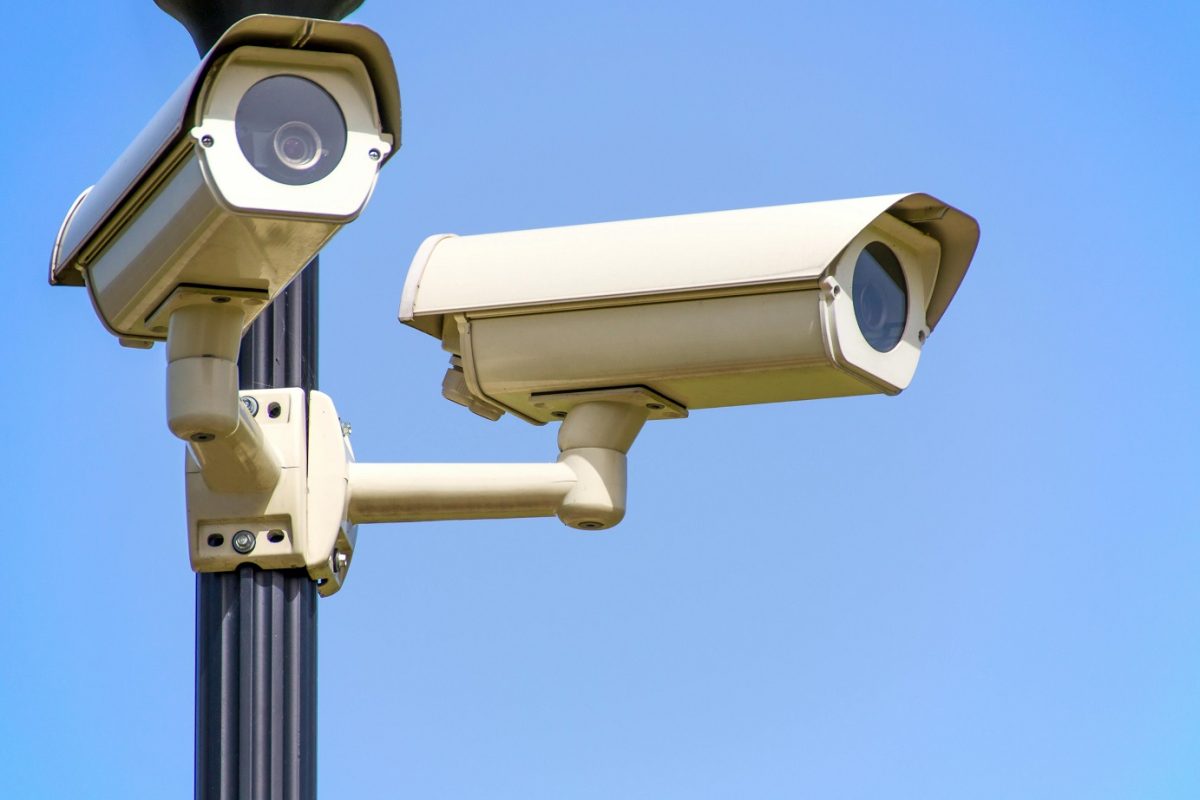
Alt text: An industrial safety monitoring camera installed in a manufacturing facility
Hazardous area camera systems are purpose-built to operate safely in explosive atmospheres. These cameras allow facility operators to monitor critical processes in real time without introducing additional ignition risks, protecting both the people who work in these environments and the supply chain operations that depend on them.
What Makes a Camera “Explosion-Proof”?
Explosion-proof cameras are engineered to contain any internal ignition within their housing, preventing it from reaching the surrounding atmosphere. The enclosures are typically constructed from heavy-gauge stainless steel or cast aluminium and sealed to prevent flammable gases or dust from entering.
The design philosophy is containment, not prevention. The camera’s internal electronics may generate small sparks during normal operation. An explosion-proof housing ensures that if those sparks ignite gas that has entered the enclosure, the resulting explosion stays contained within the camera body and cannot propagate outward.
According to the Occupational Safety and Health Administration, facilities handling flammable materials must use electrical equipment rated for the specific hazardous classification of their environment. Installing non-rated equipment in a classified area violates safety regulations and creates genuine explosion risk.
Where Are Hazardous Area Cameras Used in Supply Chains?
These cameras protect people and assets across multiple industries. Here are the most common deployment scenarios.
- Oil and gas refineries: Monitor distillation columns, storage tank farms, and loading docks where hydrocarbon vapours create Zone 1 and Zone 2 explosive atmospheres.
- Chemical processing plants: Observe reactor vessels, mixing stations, and transfer points where volatile compounds are handled under pressure.
- Grain elevators and flour mills: Combustible dust from grain handling creates explosion-prone environments that require Zone 21/22 rated equipment.
- Pharmaceutical manufacturing: Solvent-based processes and fine powder handling create both gas and dust explosion hazards that cameras must tolerate safely.
- Paint and coating facilities: Spray booths and drying ovens produce flammable vapour concentrations that exceed lower explosive limits during normal operation.
- Wastewater treatment: Methane and hydrogen sulphide gases accumulate in enclosed treatment spaces, requiring gas-rated monitoring equipment.
Each application requires cameras rated for the specific type and concentration of hazardous material present. A camera rated for gas hazards may not be suitable for combustible dust environments, and vice versa.
How Do Hazardous Classification Zones Work?
Hazardous area classifications determine what equipment is permitted in each zone. Understanding the zone system is essential for specifying the right camera.
The international IECEx/ATEX system and the North American NEC/CEC system both classify areas based on the likelihood that an explosive atmosphere will be present. The zone system ranges from Zone 0 (explosive atmosphere present continuously) through Zone 2 (explosive atmosphere unlikely during normal operation but possible during abnormal conditions).
According to the National Fire Protection Association, electrical equipment installed in classified areas must carry certification matching the zone, gas group, and temperature class of the specific location. Cameras rated for Zone 1 (gas frequently present) use different protection methods than those rated for Zone 2 (gas infrequently present).
What Features Should You Prioritize in Hazardous Area Cameras?
Not all explosion-proof cameras offer the same capabilities. Here is what to evaluate for supply chain applications.
- Certification marks: Look for ATEX, IECEx, or UL/CSA certification matching your facility’s hazardous classification. Uncertified equipment creates compliance and safety violations.
- Image quality: Modern hazardous area cameras offer HD and 4K resolution with infrared night vision. Higher resolution helps operators identify small process anomalies before they become safety events.
- Pan-tilt-zoom (PTZ) capability: Remote-controlled PTZ cameras let operators scan large areas and zoom into specific equipment without entering the hazardous zone.
- Corrosion resistance: Marine-grade stainless steel housings withstand the corrosive chemicals common in petrochemical and wastewater environments.
- Network integration: IP-based cameras feed directly into existing plant monitoring and SCADA systems. This integration allows centralized monitoring from a safe control room.
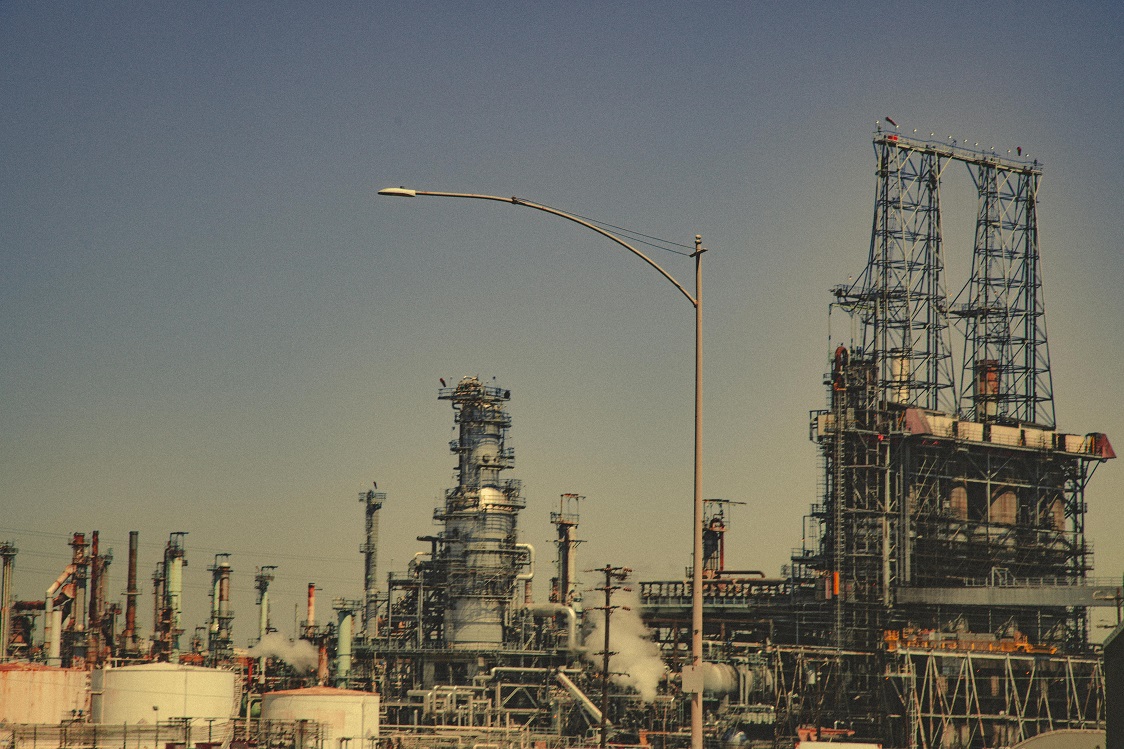
Alt text: An oil and gas refinery with industrial safety infrastructure and monitoring equipment
Specifying the right camera prevents the expensive mistake of installing equipment that fails inspection or creates a genuine safety hazard.
How Do These Cameras Improve Supply Chain Operations?
Beyond safety compliance, hazardous area cameras deliver operational benefits that improve supply chain performance.
Real-time visual monitoring reduces the need for personnel to enter hazardous zones for routine inspections. This reduces exposure time, lowers personal protective equipment costs, and frees trained operators for higher-value tasks.
Process verification through camera feeds catches deviations (leaks, overflows, equipment malfunctions) faster than periodic manual checks. Earlier detection means smaller incidents, less product loss, and shorter recovery times. According to the American Institute of Chemical Engineers, early leak detection through continuous monitoring systems prevents the majority of major industrial incidents.
Insurance and regulatory benefits also accrue. Facilities with continuous hazardous area monitoring often qualify for lower insurance premiums and demonstrate compliance more easily during regulatory inspections.
Hazardous Area Camera Essentials
- Explosion-proof cameras contain internal ignition to prevent sparks from reaching explosive atmospheres.
- Every installation must match the camera’s certification to the facility’s hazardous zone classification.
- Common deployments include refineries, chemical plants, grain handling, pharmaceuticals, and paint facilities.
- Prioritize proper certification, image quality, PTZ capability, and network integration when selecting cameras.
- Remote monitoring reduces personnel exposure time in hazardous zones and catches process deviations faster.
- Continuous monitoring improves insurance terms and regulatory compliance documentation.
Seeing What You Cannot Safely Watch
Hazardous area camera systems solve a fundamental industrial problem: the need to monitor processes that are too dangerous for continuous human presence. The right camera, properly rated and installed, gives operators the eyes they need without the risk.
FAQ
What is the difference between explosion-proof and intrinsically safe cameras?
Explosion-proof cameras contain internal explosions within a sealed housing. Intrinsically safe cameras limit electrical energy to levels too low to cause ignition. Each approach suits different zone classifications and applications.
How much do hazardous area cameras cost?
Explosion-proof cameras typically range from $3,000 to $15,000 per unit depending on resolution, PTZ capability, and certification level. Installation, cabling, and integration add to the total project cost.
Do explosion-proof cameras require special maintenance?
Yes. Enclosure seals, cable glands, and certification markings must be inspected regularly. Any maintenance that opens the enclosure in a classified area must follow hot work permit procedures.
Can I use a standard IP camera in a hazardous area?
No. Standard cameras are not designed to prevent ignition in explosive atmospheres. Installing uncertified equipment in a classified area violates OSHA regulations and creates genuine explosion risk.
 GXO Partners with London Luton Airport to Operate its First Consolidation Centre
 Avetta Names SaaS Financial Expert as New CFO
 Can telcos be superapps?
 Fighting Food Waste in Retail with 2D codes
 Kaldi Company signs licensing deal with agritech innovator Iron Sight Industries to drive coffee supply chain innovation
 Make Your Next Event Unforgettable: A Guide to Event Planning