

A retail supply chain rarely fails at the front. It fails quietly, several steps upstream, at a supplier most procurement teams have never spoken to directly. Tier two suppliers make the components, coatings, resins, and sub-assemblies that tier one vendors depend on. When one of them goes dark without warning, the shock takes weeks to surface on a store shelf, and by then the options for recovery have narrowed considerably.
The phrase going dark covers more than bankruptcy. It can mean a cyber incident that halts production or a supplier that simply stops answering purchase orders. For the retailers watching downstream, the effect is the same. The response calls for the same kind of disciplined risk assessment that Canadians apply when they compare licensed platforms through resources listing trusted online gambling sites in Canada before committing money. In both cases, the lesson is identical: verify the chain behind the label before you rely on it.
Why a Tier Two Failure Hides Longer Than a Tier One One
Retail supply chain teams monitor their tier one suppliers closely because those are the vendors named on the contract. Tier two sits one layer deeper, often invisible on the master data. That invisibility is exactly why a tier two collapse spreads before anyone catches it.
Buffer stock masks the early damage. A tier one vendor may hold four to six weeks of a critical part, so the missed shipment does not register in the retailer’s order book at first. Demand keeps flowing, forecasts stay green, and the dashboards give no reason to worry. Then the buffer empties, and the shortage arrives all at once instead of gradually.
The mapping gap makes it worse.
Many retailers can name their direct vendors but cannot list the sub-tier factories those vendors rely on. When the failure is two steps removed, the first sign is often a tier one supplier quietly rationing allocation across its own customers, and the retailer with the smallest volume loses first.
How the Cascade Moves Through the Network
Once buffer inventory runs out, a single dark supplier sets off a predictable chain of consequences. The sequence is worth walking through because each stage offers a window to intervene, and each window that closes makes the next stage costlier.

The Production Halt Upstream
The tier one manufacturer cannot substitute a specialised input overnight. Requalifying an alternate source for a moulded part or a specific chemical grade can take months of testing. Production lines slow, then stop, and the tier one vendor begins issuing force majeure notices to everyone downstream.
The Allocation Squeeze on Retailers
With reduced output, the tier one supplier allocates what it has. Large accounts with penalty clauses and long histories get priority. Smaller retailers, or those without contractual protection, see fill rates drop toward zero. This is where a regional Canadian chain competing against a national one feels the disadvantage most sharply.
The Shelf and Reputation Cost
Empty shelves push shoppers to substitutes, and some of those shoppers do not come back. A stockout that lasts a fortnight can cost far more than the missed margin, because it hands loyal customers to a competitor and dents the brand promise of availability. Recovery of shelf position often outlasts recovery of the supply itself.
What Resilient Retailers Do Before the Lights Go Out
The retailers that weather a tier two failure are the ones that treated it as inevitable rather than unlikely. Their preparation is unglamorous and mostly about visibility, financial monitoring, and rehearsed alternatives. According to recent supply chain risk research, resilience planning based on visibility beyond direct suppliers reduced shipment delays by an average of 40 percent in a global automotive case study.
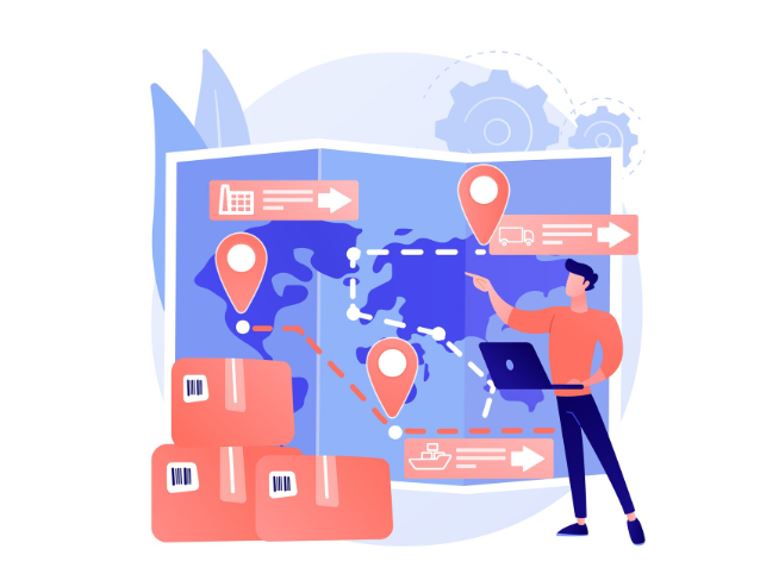
Below are the practices that separate a controlled response from a scramble. None of them require exotic technology, but all of them require the discipline to invest before a crisis proves the point.
- Map to tier two and three: Ask tier one vendors to disclose their critical sub-suppliers, and record the single-source dependencies in the same system used for direct spend.
- Monitor financial health signals: Watch for late shipments, staff departures, and credit-rating changes at key upstream firms, since distress rarely appears without warning.
- Qualify a second source in advance: Requalification during a crisis is slow, so approve alternates while there is still time to test them.
- Size buffers by risk, not by habit: Hold deeper stock for parts with long lead times or a single origin, and trim it where substitution is easy.
The common thread is that resilience is bought in advance, not improvised. A retailer that has already mapped its sub-tiers can pinpoint exposure within hours of a supplier going quiet, rather than spending those hours discovering how deep the problem runs.
 IBM Releases AI-Powered Anomaly Detection Capabilities to Mitigate Supply Chain Disruptions
 Galactic Grocery Stores: Stocking the Shelves of Alien Diets
 The Future of Supply Chains Is AI: How to Start Small to Win Big Over Time
 Cherry Load take remote compliance control
 Open Pricer & Kardinal Join Forces to Offer Last-Mile Profitability Optimization to Parcel Carriers
 Beyond Software: Why Hardware Reliability is the Silent Hero of Smart Supply Chains