

Most people only start thinking hard about their filter supplier after a line goes down or a batch gets rejected. By then the damage is done. If you’re in pharmaceuticals, microelectronics, food processing, or automotive manufacturing, choosing the right industrial filter manufacturer before something goes wrong is one of those decisions that quietly pays for itself over and over. This guide covers what actually matters when you’re making that call, including a closer look at Pullner Filter out of Songjiang District, Shanghai.
Industry Experience and Reputation
Ask any process engineer who they trust for filtration and you’ll hear the same names. Parker Hannifin, Donaldson, Eaton. Not because of marketing, but because they’ve handled corrosive media, brutal operating pressures, and every other nasty condition these industries throw at equipment. That kind of track record is hard to fake.
Pullner Filter has been doing the same thing across Asia, specifically in pharmaceutical and microelectronics projects where margins for error are basically zero. When you’re vetting any manufacturer, skip the brochure and ask for real references. Talk to clients in industries close to yours. If the company can’t point you to someone willing to vouch for them, that tells you something.
Quality Standards and Certifications
ISO 9001, ISO 14001, CE, UL. These certifications exist for a reason. They mean someone external has looked at how a manufacturer operates and confirmed the process holds up. Camfil and Mann+Hummel don’t just hold these certifications; they build their operations around them.
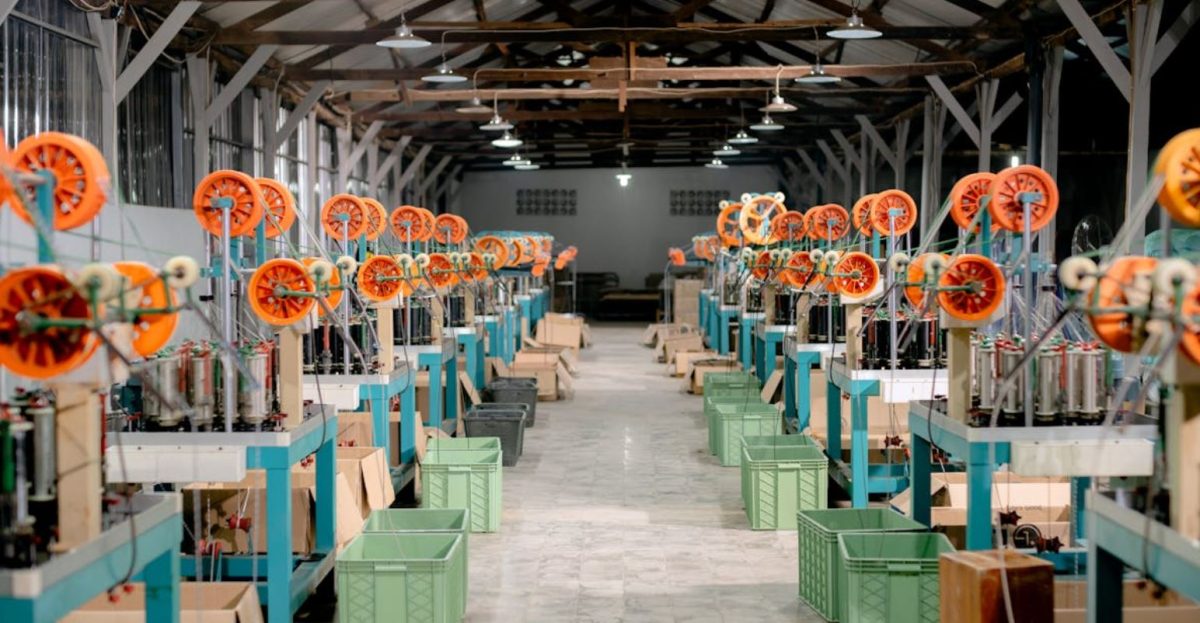
Pullner Filter’s cleanroom in Songjiang covers 10,000 square meters with over 20 production lines running micro membrane and pleated cartridge manufacturing. That’s not a small operation. And in regulated industries, full production traceability isn’t optional. If a manufacturer gets cagey when you ask how they track material sourcing and product testing, walk away.
Range of Products and Customization Capabilities
A supplier with three SKUs is going to become a headache. You need depth and pleated membrane cartridges, high-flow options, housings for different installation setups, coverage across liquids, gases, and dust. Pharmaceutical cleanrooms and semiconductor fabs don’t share the same requirements, and neither do food lines and automotive plants.
Pullner Filter handles OEM and ODM work, with media options from polypropylene to PTFE and a wide range of micron ratings. That matters when your process changes and you need a filter adjusted, not a whole new vendor search. Flexibility up front saves a lot of pain down the road.
Technical Expertise and Support Services
Some suppliers sell you a filter and disappear. Others actually pick up the phone when something isn’t working. Eaton and Donaldson have built strong R&D teams, and that investment shows when their engineers can walk you through media selection, system audits, or compliance documentation without hesitation.
Pullner Filter has specialists who help customers choose the right cartridge, sort out contamination issues, and squeeze more life out of existing systems. They also provide maintenance training, which matters more than people realize. Manufacturers who’ve added IoT monitoring and predictive maintenance to their offer give plant managers a real edge over those still running on gut feel and clipboards.
Reliability, Durability, and Maintenance Requirements
Filters in industrial settings get hit hard. Pressure swings, heat, chemical exposure, heavy particle loads. The ones that fail early are usually built to a price, not a standard. The good ones use stainless steel, quality polymers, and membrane media that actually hold up.
Pullner Filter makes cleanable, long-life pleated membrane cartridges for pharmaceutical and electronics use, where swapping filters constantly isn’t practical. The industry has been shifting toward reusable and longer-life options for a while now, and for good reason. Fewer changeouts means less downtime and lower consumable spend. When comparing suppliers, ask about service intervals, parts availability, and what maintenance actually looks like in practice.
Supply Chain Stability and Delivery Timelines
A great filter that takes six weeks to arrive is a problem. Production doesn’t stop because your supplier is out of stock, and in pharma or food processing, a missing filter can mean a full line shutdown. Parker and Donaldson have the logistics networks to handle urgent orders without drama.
Pullner Filter’s Shanghai facility keeps raw materials and finished inventory on hand, which helps them move quickly for clients across Asia and beyond. Before committing to any supplier, ask about lead times, warehouse capacity, and whether they’ve actually delivered on time for demanding clients before. Get specific. Vague answers about “competitive lead times” aren’t reassuring when your line is waiting.
About Pullner
Business: Pullner
Spokesperson: Lucy
Position: Sales Manager
Phone: 0086-21-57718597
Email: [email protected]
Location: LB19-Office No.1207, Jebel Ali Free Zone, Dubai, United Arab Emirates
Website: https://www.pullnerfilter.com/
Frequently Asked Questions About Choosing an Industrial Filter Manufacturer
What key factors should I consider when selecting an industrial filter manufacturer?
Experience, certifications, product range, technical support, build quality, and supply chain reliability. Miss one of those and it usually catches up with you.
Why is industry experience important in an industrial filter manufacturer?
Because filtration problems in real plants are messier than anything in a catalog. Companies like Parker Hannifin and Eaton have already solved the hard ones.
How do quality certifications impact the reliability of industrial filters?
They mean the manufacturing process has been audited and verified, not just described on a website. In regulated industries, that paper trail is often the difference between passing an inspection and failing one.
What role does customization play in industrial filtration solutions?
Standard products rarely fit perfectly. The right media type, micron rating, and housing for your specific process can make a measurable difference in performance and filter life.
How can technical support from a filter manufacturer benefit my operations?
When something goes wrong at 2am, you want a number you can call. Good technical support shortens downtime, catches issues early, and keeps maintenance costs from creeping up.
Why is supply chain stability critical when choosing an industrial filter supplier?
Because one late shipment can shut down a production line. Suppliers like Pullner Filter and Donaldson keep inventory and logistics tight enough that you’re not left scrambling.
 LogicMonitor Simplifies Multi-Cloud Complexities for CloudOps Teams
 BIXOLON Exhibits its Leading Range of Logistics Printing Solutions at LogiMAT 2025
 Freshworks Named a Strong Performer in Enterprise Service Management Report by Independent Research Firm
 Replacement or Integration of Older Systems for Future-Proof Supply Chains
 Retail sales claw back to normal levels, but online snatches over 30%
 FC 25 Guide to CODE: NEON Event