

Liability for an 18-wheeler multi-vehicle crash spreads across a chain of parties: the driver, the motor carrier, the freight broker, the shipper, the cargo loader, and the maintenance contractor. A passenger car crash usually names one defendant. A commercial truck crash opens a file on six.
Federal trucking rules assign duties to each link in the chain, and a crash investigation works backward through those duties until it finds the broken one.
A driver over the federal hours-of-service limit points at the carrier that built the schedule. A brake failure points at the maintenance vendor holding the service contract. A load shift points at the dock crew that sealed the trailer three states away.
Houston firm Sutliff and Stout has litigated commercial truck cases since 2007, recovering more than 1 billion dollars across injury claims, and its case files show the liable party is rarely the one visible at the crash scene.
Which Parties Face Liability After an 18-Wheeler Crash?
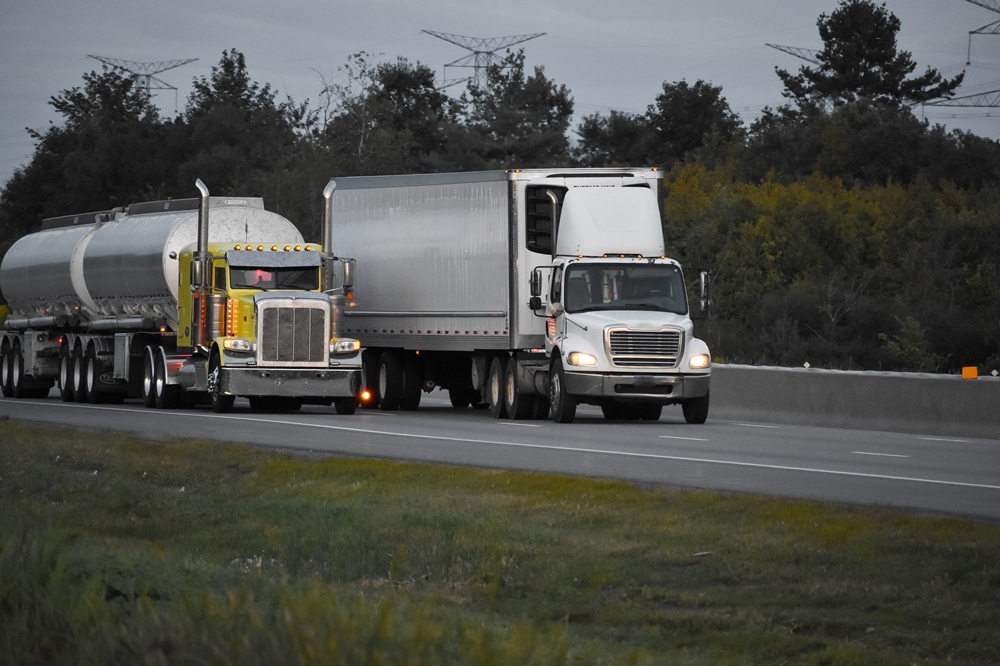
The parties facing liability after an 18-wheeler crash are the driver, the motor carrier, the freight broker, the shipper or loader, the maintenance provider, and occasionally the truck or component manufacturer. Each party controls one failure point, and each failure point maps to a federal or state duty. Multi-vehicle pileups multiply the stakes rather than the defendants, since one trucking failure can total a dozen vehicles in a single chain reaction. The investigation question is never only who hit whom, but whose decision put the failure on the road.
How Does Liability Attach to Each Link in the Chain?
Liability along the trucking chain is explained below.
The Driver: Driver liability describes fault tied to speed, distraction, impairment, or fatigue behind the wheel. Federal hours-of-service rules cap driving at 11 hours inside a 14-hour duty window, and electronic logging devices record compliance minute by minute. A logbook violation on the crash date converts a fatigue argument from speculation into data.
The Motor Carrier: Carrier liability describes fault tied to hiring, training, scheduling, and dispatch pressure. A carrier answers for its driver’s negligence under agency law, and answers directly for its own choices, like dispatching a driver with a violation history or building routes that only work above the speed limit. Interstate carriers hauling general freight also carry federally required liability coverage starting at 750,000 dollars, which is why carrier-level claims decide most recoveries.
The Freight Broker: Broker liability describes fault tied to placing freight with an unsafe carrier. A broker who books a carrier with a poor federal safety record invites a negligent selection claim. Discovery pulls the broker’s vetting file, and an empty file speaks for itself.
The Shipper and Loader: Shipper and loader liability describes fault tied to cargo weight, balance, and securement before the trailer doors close. Federal securement standards under FMCSA rules govern tie-downs, blocking, and weight distribution. A sealed trailer loaded badly can make a crash inevitable while leaving the driver blameless.
The Maintenance Provider: Maintenance liability describes fault tied to brakes, tires, lights, and coupling systems serviced under contract. Inspection records show what was checked, deferred, and signed off. A skipped brake adjustment surfacing in the post-crash inspection moves liability off the road and into the shop.
The Manufacturer: Manufacturer liability describes fault tied to a defective truck part failing under normal use. Tire blowouts, coupling failures, and underride guard defects support product claims running parallel to the negligence case. Defect claims demand engineering analysis early, before wreckage gets scrapped.
Is the Truck Driver Automatically Liable in a Multi-Vehicle Pileup?
No, the truck driver is not automatically liable in a multi-vehicle pileup. Fault follows the failure, and the failure often sits upstream of the cab. A driver rear-ended into traffic, dispatched past legal hours, or handed an unbalanced sealed load carries reduced fault or none. Texas comparative fault rules then divide responsibility by percentage across every party in the chain, including any passenger car drivers who contributed. The percentage assignments decide who pays and how much, which is why trucking defense teams reach crash scenes within hours. Sutliff & Stout sends preservation letters just as fast, locking down the electronic logging data, dashcam footage, and inspection records before retention windows close.
How Does a Truck Crash Claim Compare to a Car Crash Claim?
Defendant count, evidence sources, and coverage size separate a commercial truck claim from an ordinary car claim. The gap widens further in a multi-vehicle crash, where several injured claimants pursue the same policies at once. Traced side by side, the categories below show why the two claims run on different playbooks.
A truck crash claim compared to a car crash claim is shown in the table below.
| Category | 18-Wheeler Crash Claim | Car Crash Claim |
| Defendants | Driver, carrier, broker, shipper, maintenance vendor | One or two drivers |
| Key Evidence | ELD logs, black box data, inspection files, dispatch records | Photos, police report, witness accounts |
| Coverage | Federal minimums from 750,000 dollars upward | State minimums, often 30,000 dollars per person |
| Governing Rules | Federal safety regulations plus state law | State traffic law |
| Defense Response | Rapid response teams at the scene within hours | Standard adjuster review in days |
What Steps Protect a Claim After an 18-Wheeler Crash?
Steps that protect a claim after an 18-wheeler crash are listed below.
-
- Send Evidence Preservation Letters Fast. Send spoliation letters to the carrier, broker, and maintenance vendor within days of the crash. Electronic logging data and dashcam footage sit inside retention cycles that overwrite on schedule. Evidence preserved in week one decides percentage arguments in year two.
- Identify Every Company in the Chain. Identify the carrier, the broker, the shipper, and the service vendors named across the bill of lading and dispatch records. A claim filed against the driver alone leaves the deepest coverage untouched. The paper trail names defendants the crash scene never shows.
- Request the Federal Safety History. Request the carrier’s federal inspection and violation history before negotiation begins. A pattern of hours or brake violations converts one crash into evidence of a system. Patterns move settlement numbers in ways single incidents never do.
- Retain Counsel Built for Trucking Cases. Retain a firm that handles commercial carriers rather than treating a truck claim as a large car claim. Board-certified trial counsel changes how carrier insurers price a file. Sutliff & Stout brings over 50 years of combined experience against trucking defendants across Texas.
What Does Hank Stout Say About 18-Wheeler Liability?
Sutliff & Stout addresses the pattern running through its commercial trucking files. Upstream decisions, preserved data, plus chain-wide investigation determine liability long before a jury hears the crash described.
Trucking litigation expert Hank Stout, co-founder of Sutliff and Stout and board-certified in Personal Injury Trial Law, says: “An 18-wheeler pileup is rarely one driver’s mistake, and upstream decisions, preserved data, plus chain-wide investigation are what turn a crash scene into an accountable supply chain.”
Every company that touches a load before it rolls carries a piece of the duty to the drivers around it. A multi-vehicle crash simply reveals, all at once, which link in the chain stopped carrying its share.
 The Search Begins for the Microlise Driver of The Year 2020
 Doosan brings versatility and performance to farmers at BP 2019
 Synergy launches SnapControl – the future of warehouse automation connectivity
 How NFTs Could Be Used to Improve Supply Chain Management
 Advantages of Freight Auditing Technology: Your Frequently Asked Questions Answered
 Ship.Cars Partners with Monk AI to Introduce Artificial Intelligence to the Auto-Transportation Industry