

A parcel does not have to be lost to cause a problem. Sometimes it is moving normally, but the tracking page has gone quiet.
That silence can quickly turn into a support problem. Cross-border parcels move through more hands than local orders, so there are more places for updates to go missing. The goal is not just faster delivery. It is giving buyers enough clear information to feel calm while the parcel moves.
The Hard Part Is Not Always The Distance
Moving a parcel from one country to another is not new. Logistics firms have done that for years. The harder part now is the size and speed of small-parcel movement.
One parcel may be a low-cost phone case. Another may be a jacket, a document, a gift, or a small electronic item. They do not all need the same service. Still, many buyers expect the same thing from each one: clear updates.
A domestic order is easier to follow. The route is shorter. The carrier network is familiar. The address format is usually clear. Cross-border delivery adds more links in the chain. A parcel may leave the first carrier’s system before the next one shows a useful update.
Tracking Is Part Of The Order Now
Tracking used to be a small extra. Now it shapes how the buyer feels about the whole order.
A parcel may be moving just fine, but the buyer only sees an old tracking update. After a few days, that starts to feel like a problem. Then the emails begin. Is it lost? Is it stuck? Can it be refunded? The business has to explain something the customer cannot see.
In cross-border delivery, this happens often. The parcel may be waiting to leave the country, sitting in customs, or already with a local carrier. The delay is not always serious, but it can feel serious when the tracking page gives no clue.
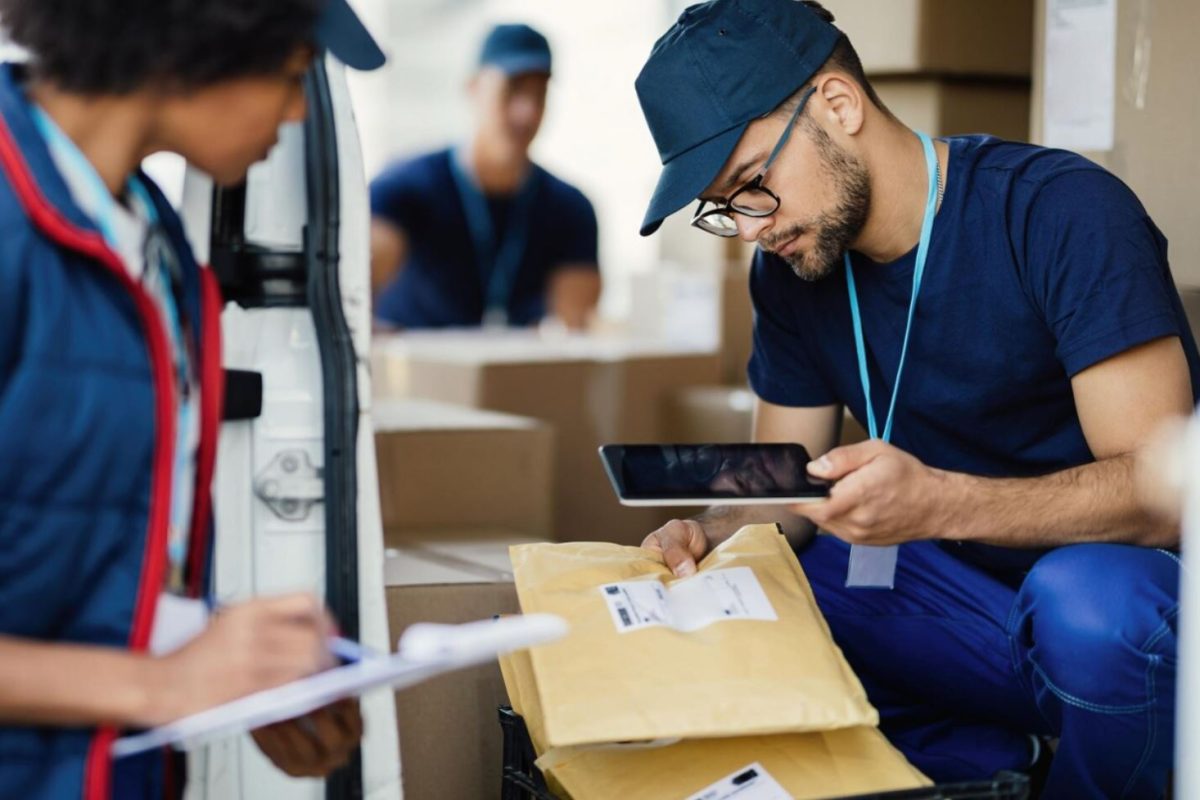
That is where a UK delivery address for online shopping can sit inside the wider parcel journey. The buyer gets a UK delivery point first. The parcel is received, checked into a system, and then sent on through an international route.
Customers Want Fewer Unknowns
Most customers are not asking for a perfect delivery system. They just want fewer unknowns.
They want to know the parcel has arrived. They want to see when it is ready to move. They want a choice of courier if the parcel matters. If the item is expensive, they may want insurance. If it is not urgent, they may choose a cheaper route.
That choice matters more than it seems. A £12 accessory and a £300 coat should not be treated the same. One can travel slowly. The other may need stronger tracking and better cover.
This is where customer control helps. It lowers the feeling of risk. It also cuts down on simple support questions, because the buyer can see more of the process without asking.
Customs Is Usually Where The Story Gets Blurry
Customs is the part that many buyers understand the least. A parcel leaves one country and then seems to stop. Sometimes it is only waiting for checks. Sometimes the paperwork is incomplete. Sometimes the parcel has already reached the local carrier, but the tracking page still looks stuck. That is common when different systems do not update at the same speed.
The scale makes this harder. The European Commission said 4.6 billion low-value parcels entered the EU in 2024, which is about 12 million parcels a day. At that level, small mistakes can slow things down.
It could be a vague product name, a missing value, or an address detail that does not match properly. These look like small packing details at first. Later, they can decide how smoothly the parcel moves.
Good tracking cannot fix bad customs data. But it can show where the delay is happening, which is often enough to calm the buyer down.
One Carrier Option Is Often Too Blunt
Some parcel systems still treat delivery like a single choice. Send it, track it, deliver it. That may work for simple domestic orders. It does not work as well across borders.
Different parcels need different routes. Documents need reliability. Gifts need timing. Clothes may need easier returns. Higher-value goods need stronger tracking or coverage.
A better setup lets the customer choose with a bit more context. Not ten confusing options. Just enough detail to make a sensible decision.
For operators, that can also help with cost. Cheap items do not always need premium routes. Higher-risk parcels should not be pushed through the cheapest lane just because it is easy.
The Small Breaks Cause Most Of The Friction
Cross-border tracking does not always fail in one big moment. More often, it gets weak in small places.
A parcel leaves the first carrier, and the next update takes too long. Customs status is unclear. The delivery window says “in transit” for days. The customer sees no clear cost warning. The courier changes, but the tracking page does not explain that change.
These are ordinary operational details. But to the buyer, they feel personal. They paid for something and now cannot see what is happening.
That is the part supply chain teams need to take seriously. The parcel may not be late yet. The customer may still be losing trust.
Better Visibility Helps The Operator Too
Tracking is often talked about as a customer feature. It is also useful inside the operation.
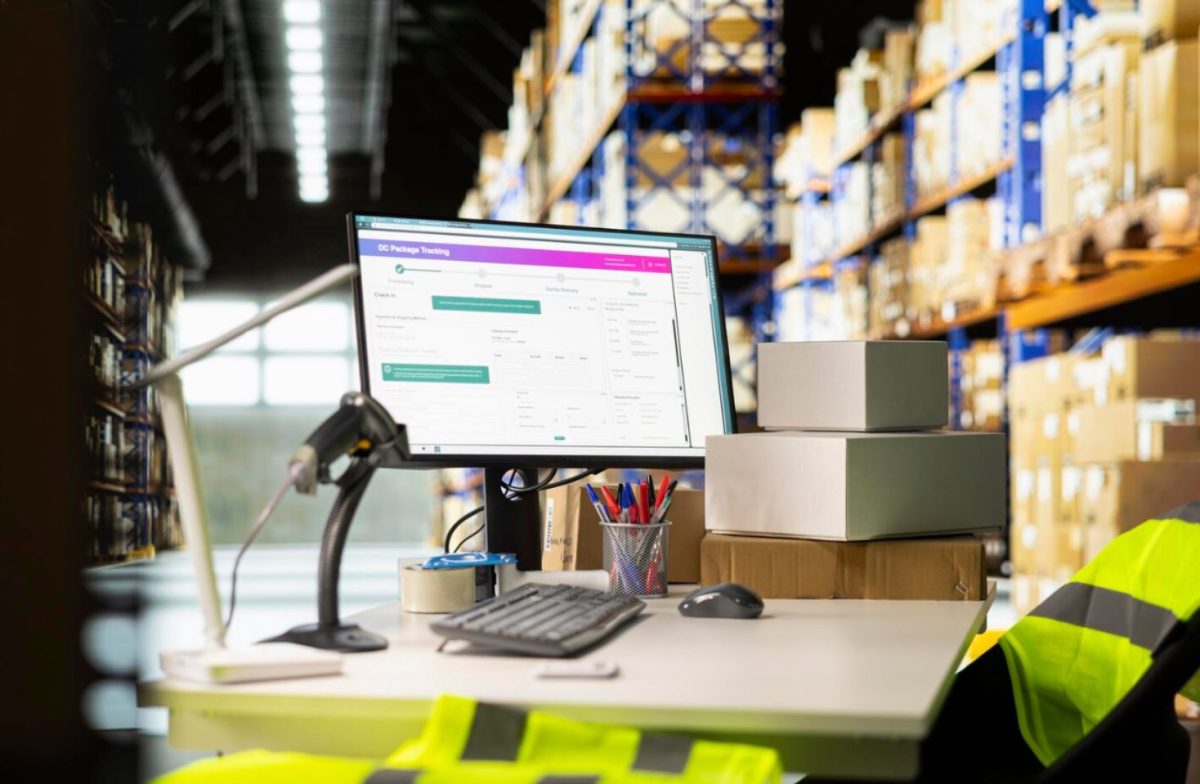
Good parcel data can show where handoffs are slow. It can show which carrier routes create the most questions. It can show where customs issues repeat. It can also help teams spot stuck parcels before the customer sends the first email.
The World Customs Organization also highlights the role of cross-border ecommerce data, especially when parcel details need to move cleanly between sellers, carriers, and customs teams.
This is where supply chain technology has a real job to do. Dashboards, alerts, carrier updates, and clean parcel records are not just nice tools. They help people manage exceptions before they turn into bigger problems.
Clearer Parcels, Calmer Customers
Cross-border parcel flows will keep growing because buyers want access to more shops and more products. That brings more pressure on carriers, forwarding services, customs teams, and support staff.
Fast delivery still helps, but speed is not the whole story. A slower parcel can still feel acceptable if the buyer knows where it is and what happens next. A fast parcel can still feel stressful if the updates are poor.
The better parcel journey is the one people can follow without guessing.
 Okta Passes $1 Billion in Sales in AWS Marketplace
 Pressure on Digital Architects More than Doubles During COVID-19, Couchbase Research Finds
 Growing Your Travel Brand in the Digital Age
 FourKites Announces Global Premier Carrier List for Second Half of 2025
 GitHub’s passkey rollout
 Oakland International Confirmed as Finalist in Prestigious Growing Business Awards