

Multi-section manufacturing roofs span additions, drain zones, and HVAC curbs, making proactive assembly assessments essential to prevent costly leaks.
Facilities expand through structural additions, separate drainage basins, and dense clusters of rooftop exhaust fans and HVAC curbs. When water shows up on the plant floor, isolated leak patching rarely solves the real issue because every roof zone behaves differently.
Taking a proactive, section-by-section approach to roof assembly assessments helps you find hidden vulnerabilities early, protect sensitive production equipment, and keep long-term maintenance budgets predictable.
Why Do Ceiling Drips Rarely Show Where Water Enters?
Low-slope industrial roofs hide water intrusion well because moisture rarely drops straight down from its point of entry. Once rainwater slips past an open seam, a punctured membrane, or a cracked pipe boot, it travels laterally across vapor retarders, insulation boards, and fluted steel decking before dripping through a ceiling joint 30 or 40 feet away.
Patching the roof directly above an interior puddle wastes maintenance money while leaving the actual breach wide open. According to a commercial roof inspection guide from Spartan Roofing, roofs older than 15 years require closer scrutiny, and adding an infrared moisture scan every 3 to 5 years helps facility teams locate concealed wet insulation before damage spreads.

How Does Section-by-Section Documentation Separate Wear From Trapped Moisture?
Treating a 250,000-square-foot facility as a single roof surface blurs the line between normal aging and localized structural failure. Dividing the roof into distinct zones based on construction era, deck profile, and drainage layout lets your team track performance across the entire plant.
A thorough baseline assembly assessment records four critical details for every roof section:
- Map structural additions: Document when each building wing went up, what deck material supports it, and how expansion joints connect adjacent rooflines.
- Trace drainage basins: Inspect internal drains, scuppers, and tapered insulation slopes to identify low spots where ponding water accelerates membrane wear.
- Catalog rooftop penetrations: Check exhaust hoods, condensate lines, and HVAC curbs where constant mechanical vibration loosens sealants and metal flashings.
- Audit repair logs: Compare historical patch locations against moisture scan maps to distinguish minor surface scuffs from saturated insulation boards.
Which Roofing Membrane Fits Each Section of Your Plant?
When you evaluate replacement options across distinct building additions, matching the material to each section’s structural assembly and foot-traffic load protects your capital investment. Lehigh Valley facility directors and plant managers partner with experienced commercial contractors who handle TPO and EPDM roofing in Allentown to perform detailed on-site assessments before locking in a specification. Heat-welded TPO membranes reflect solar radiation to reduce cooling loads over temperature-controlled production floors, while durable EPDM rubber systems resist hail impact and severe thermal shock over high-bay warehouses.
You should also account for routine maintenance traffic around rooftop chillers and air handlers. Installing heavy-duty walkway pads along high-traffic service routes prevents dropped tools and technician footfalls from puncturing newly installed membranes.
When Do Roof Coatings Make Sense Over Full Tear-Offs?
Not every aging roof section needs a tear-off down to the metal deck. If your section-by-section assessment confirms that the underlying insulation is dry and the membrane seams remain structurally sound, an elastomeric roof coating can restore waterproofing at a fraction of replacement cost.
Silicone, acrylic, and polyurethane coatings bond directly to compatible substrates, sealing minor surface weathering and adding a seamless protective layer. Before committing to a coating, verify chemical compatibility with your existing single-ply or modified bitumen membrane. Coating over wet insulation traps moisture inside the assembly, causing blisters and adhesion failure within a few seasons, so reserve restoration coatings strictly for dry, verified roof sections.
How Do You Navigate Pennsylvania Building Codes Without Delays?
Code compliance plays a major role when you transition from routine maintenance to partial or full section replacements. According to the Upper Macungie Township Permit Department, any design or construction contracts signed on or after January 1, 2026, or permit applications submitted on or after July 1, 2026, must comply with the 2021 Pennsylvania Uniform Construction Code.
Thicker polyiso insulation raises the finished roof height, which can affect existing curb heights, parapet wall flashings, and rooftop HVAC unit clearances. Reviewing code triggers during your initial assembly assessment lets your engineering team resolve curb extensions and structural load checks before permit submission.
How Can You Schedule Roof Work Around Active Manufacturing Shifts?
Exterior roof upgrades should never force you to shut down a profitable production line or expose sensitive machinery to dust and weather. Careful pre-construction coordination keeps your facility running smoothly while crews work overhead.
Work with your contractor to designate crane setup zones and rooftop material staging areas over verified structural bays. Spreading insulation bundles and membrane rolls across load-bearing steel columns prevents deck deflection and keeps loading docks clear for daily freight shipments.
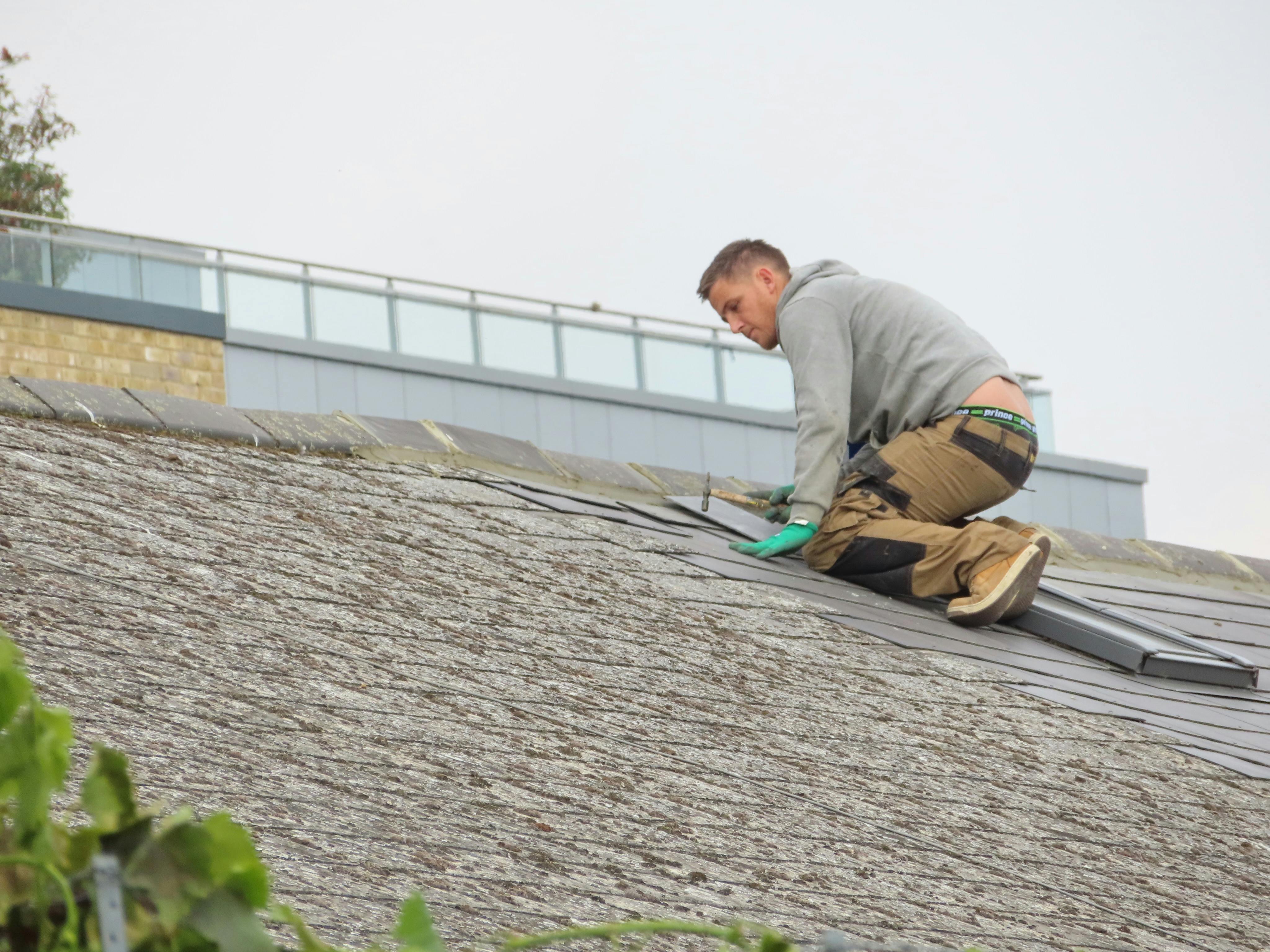
Mapping your facility’s roof assemblies, drainage zones, and repair history before committing capital puts you back in control of your building envelope. Instead of reacting to emergency leaks over critical machinery, you gain a clear, prioritized roadmap that extends membrane life and stabilizes multi-year capital budgets. Schedule a comprehensive section-by-section walkthrough this season so every maintenance dollar protects your operation for years.
 Logility Enhances Demand Sensing and Advanced Analytics for Retail
 Haunted by Technical Debt? How Unified Platforms Bring B2B Commerce Back to Life
 CVC joins CD&R as an investment partner in Epicor
 Lloyds Pharmacy centralises planning to deliver better patient care
 Narrow Aisle ends production of LP Gas-powered lift trucks
 Descartes Announces Support for BIFA Freight Service Awards 2024