

People sit through plenty of presentations that drain their energy instead of sparking ideas. Slides overflow with text, speakers rush, and messages blur together.
Then a different kind of session appears, and the room leans forward. Everyone listens, laughs, and walks away quoting key lines.
That difference rarely comes from fancy graphics alone. Top presenters follow strategies that respect audience time, attention, and curiosity. They shape messages with care, build in moments of surprise, and speak in ways that feel human and clear.
You can borrow those same strategies for team updates, investor pitches, conference talks, and client meetings, no matter the size of the room.
Clarify the Core Message Before the Slides
Strong presentations start long before anyone opens design software. The best speakers decide what they want people to remember and act on, then build everything else around that single thread. One clear message carries more power than a dozen scattered points.
Ask three questions at the planning stage: who sits in the room, what they care about today, and what action they should take after you finish. You might invite a JLA keynote speaker or another expert voice to anchor a big event, yet the same focus helps you shape internal talks and smaller briefings. Write down your message as one short sentence that even a busy colleague could repeat. That sentence becomes your filter. If a story, stat, or slide supports it, keep it. If not, cut it or move it to a different format, such as a follow-up document.

Design Stories That Stick in the Memory
Brains latch onto stories more easily than bullet lists. People remember characters, tension, and resolution long after they forget charts and jargon. Top presenters build narratives that place the audience inside the journey.
Pick situations your listeners recognize. A tricky client call, a product launch, a failed experiment, or a surprising success all work. Walk through what happened, what you felt, what you tried, and what you learned. Real detail builds trust and keeps attention.
Connect each story directly to your key message. Show how a decision, habit, or mindset created a result, good or bad. Then link that lesson to the action you want people to take next. You turn stories into practical guidance rather than simple entertainment.
Use Visuals That Do Real Work
Slides should support your words, not fight them. Crowded decks force people to choose between reading and listening, and that choice always weakens impact. Top presenters treat visuals as tools, not scripts.
Use big, clear text for key phrases and numbers. One main idea per slide keeps focus tight. Think of each slide as a billboard that someone could grasp in a couple of seconds. You fill in nuance through your voice.
Choose images, diagrams, and charts that clarify something complex. Replace long bullet lists with simple process flows, before/after comparisons, or clean graphs. When a visual makes an idea easier to grasp, people stay with you instead of zoning out.
Engage the Room With Simple Interaction
Audiences want to feel involved. Even small chances to respond, reflect, or move slightly can transform a room from passive to lively. Great speakers set up interaction in ways that feel safe and purposeful, not awkward.
Ask short, specific questions that people can answer with a show of hands, a quick poll, or a word in the chat. Use those responses to shift your emphasis. If most hands go up for one challenge, spend more time on that part of your content.
Rehearse With Intention, Then Stay Human
Polished presentations rarely come from the first run. Top speakers rehearse enough to feel ready, not robotic. They know their flow so well that they can adapt in real time without losing the thread.
Practice out loud rather than only in your head. Time each section and watch where you rush or drift. Record yourself and notice habits such as filler words, closed posture, or long tangents. Adjust once, then run again with the changes.
Turn Presentations Into Ongoing Conversations
Impact does not end when the last slide fades. The strongest presentations launch conversations, experiments, and decisions that unfold over weeks or months. You elevate outcomes when you plan for that extended life.
Offer concrete next steps at the end. Suggest one action for today, one for this week, and one for the next quarter. Make those steps specific and realistic so people feel confident enough to start.
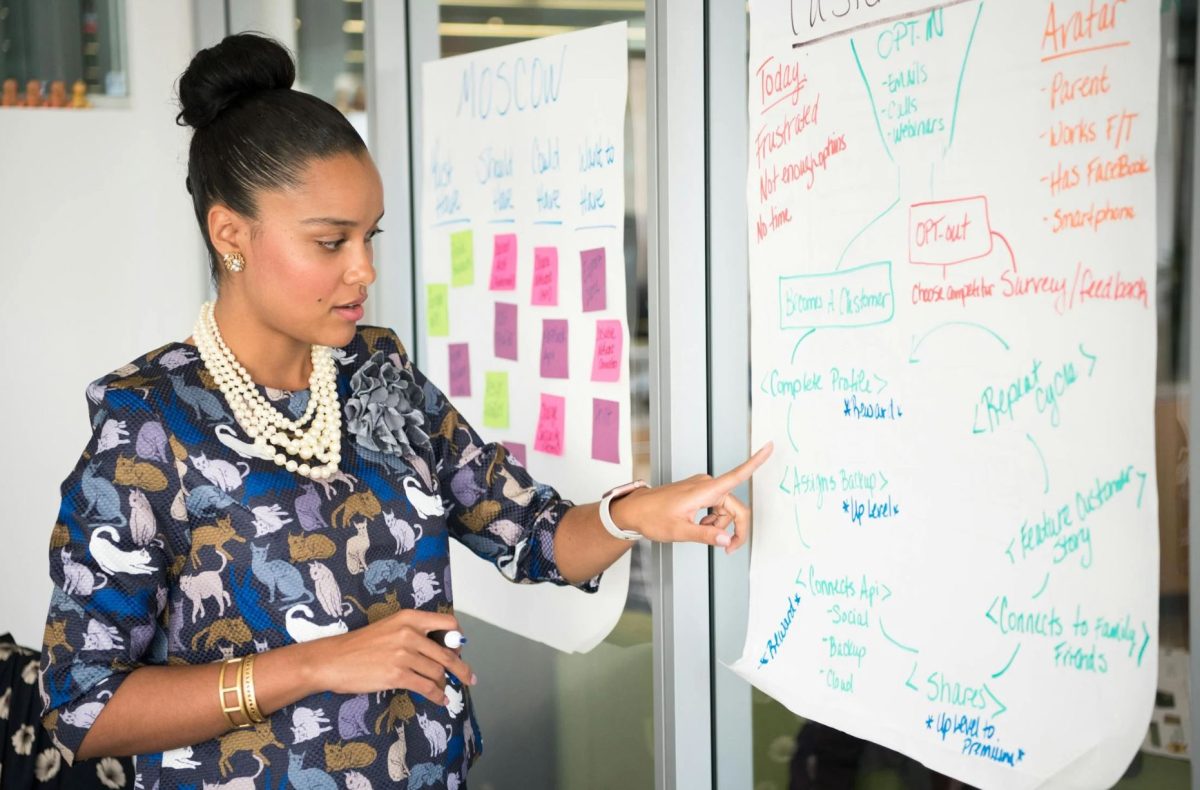
Top presentation strategies work because they respect how people think, feel, and remember. Clear messages, strong stories, useful visuals, real interaction, thoughtful practice, and ongoing follow-through all build momentum.
When you treat each talk as a chance to serve your audience rather than impress them, you create sessions that stick. Listeners leave with clarity, energy, and practical ideas they want to try, and you gain a reputation as someone whose presentations truly move things forward.
 How Automation Can Help Manage Worker Shortages & Variation in Demand
 Greenscreens.ai & Tai Software Partnership Enhancing Rate Accuracy for Freight Brokers
 CO2 Emission Classes for Truck Tolls: PTV Logistics Enables Advance Calculation of New Toll Prices in Germany & Austria
 Vector.ai’s Enhanced Arrival Notices Product Heeds Call of Federal Maritime Commission on Data Visibility
 OutSystems Joins Forces with the Manufacturing Technology Centre to Accelerate the UK’s Industrial Growth
 How to Write a Successful Short Notice Resignation Letter?