

Waste management teams move fast across collection routes, transfer stations, and busy landfills every single day.
Clear, instant voice communication keeps drivers, dispatchers, and supervisors connected in real time.
Demand for these tools keeps climbing fast, with the global push-to-talk market valued at $47.45 billion in 2026.
This list ranks five strong options, starting with Peak PTT, then Microsoft, Slack, Zoom, and Motorola.
Each option below brings something genuinely useful for growing waste fleets in 2026.
Push-To-Talk Tools Compared at a Glance
| Tool | Devices Supported | GPS Tracking | Call Recording | Ideal Fleet Size | Low-Signal Reliability |
| Peak PTT | Rugged handsets + smartphones | Yes | Yes | Any size | Strong |
| Microsoft | Smartphones + desktop | No | Limited | Small to mid | Weak |
| Slack | Smartphones + desktop | No | Notes only | Back-office | Weak |
| Zoom | Phones, tablets, desktop | No | Yes | Mid | Weak |
| Motorola | Radios + smartphones | Yes | Yes | Large | Strong |

1. Peak PTT
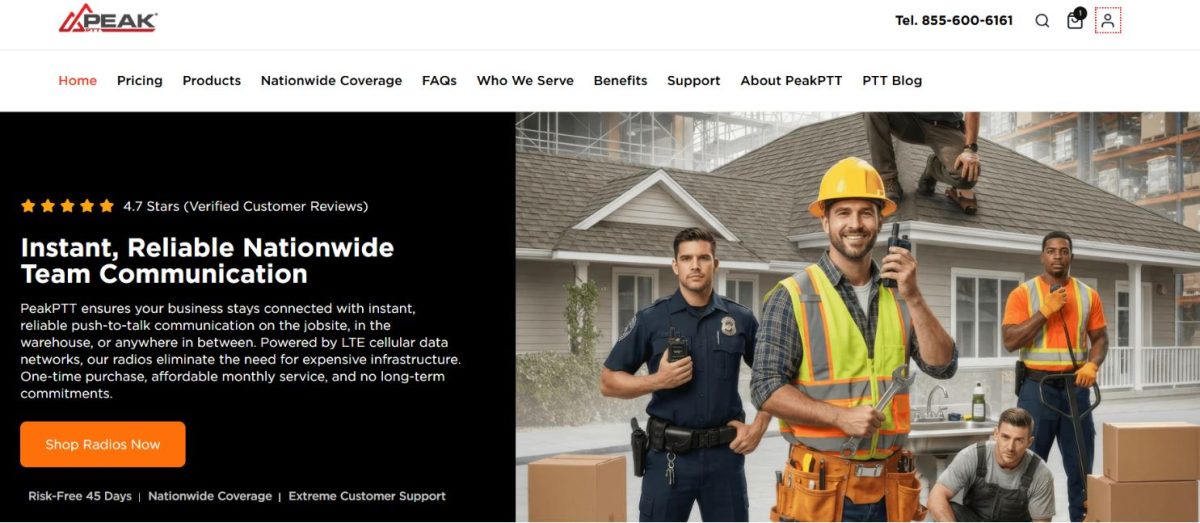
Peak PTT is a push-to-talk provider that leads this list for good reason. It delivers nationwide coverage over 4G LTE and 5G networks, giving waste fleets instant voice contact across entire service areas. The platform works on rugged radios that connect with smartphones’ Wi-fi, so crews stay reachable from the cab, the curb, or the yard.
Key Features
Peak PTT offers sub-second call setup, GPS location tracking, and group channels for separate routes or shifts. Dispatchers can monitor every truck, send text alerts, and record calls for compliance. The system supports both Android and dedicated devices, plus desktop dispatch consoles.
Best For
Waste haulers that want carrier-grade reliability and dedicated support will find Peak PTT a strong match. Its pricing scales cleanly from small operators to regional fleets running hundreds of vehicles. Onboarding stays simple, and crews learn the single-button workflow within minutes.
2. Microsoft
https://www.youtube.com/watch?v=q1Tfvjp4GUE
Microsoft brings push-to-talk through the Walkie Talkie feature built into Teams. For waste companies already running Microsoft 365, this adds instant voice without a separate contract. Field crews press one button inside the Teams app and reach their channel right away.
Key Features
Walkie Talkie works over Wi-Fi and cellular data, clearing the channel for one speaker at a time. It ties into existing Teams channels, so office staff and drivers share the same workspace. Admins manage access through the familiar Teams admin center, and conversations stay inside the company tenant for security.
Best For
Operators standing inside the Microsoft ecosystem gain the most value here. The feature suits supervisors who already coordinate schedules, files, and chat in Teams and want voice added to that same hub without extra apps or hardware spend. Setup takes minutes for existing license holders.
3. Slack
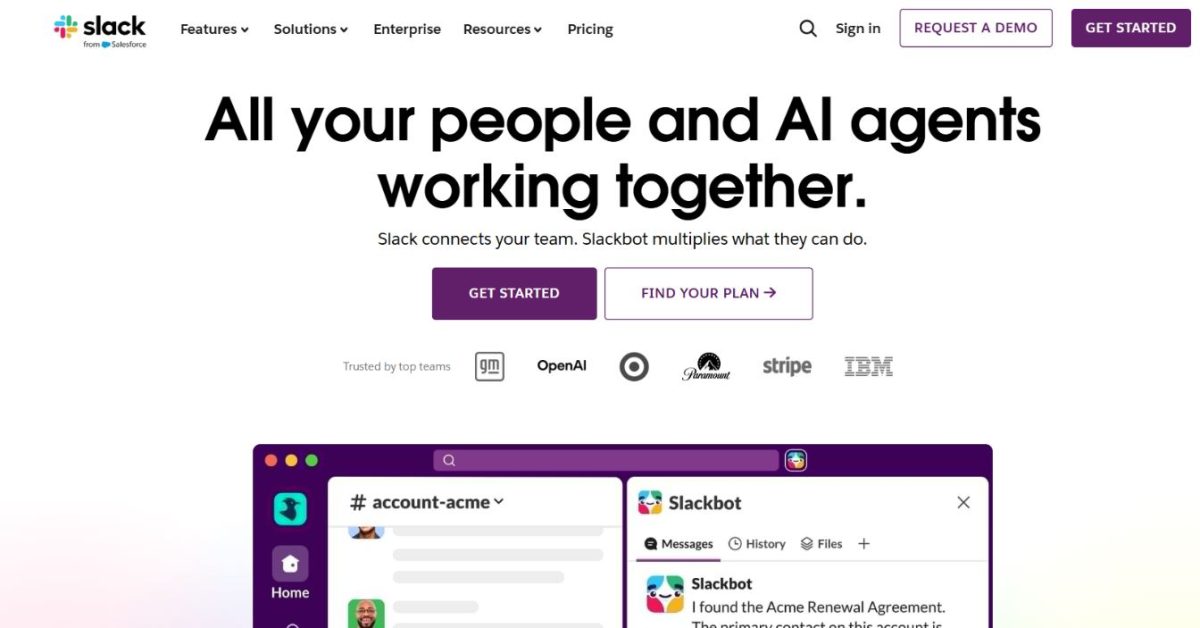
Slack offers push-to-talk style voice through its huddles feature, turning the popular workplace chat tool into a quick audio channel. Waste management offices that run on Slack can pull dispatchers and route managers into live audio in seconds.
Key Features
Huddles start with a single click inside any channel or direct message, supporting live voice, screen sharing, and lightweight video. Conversations link directly to threads, files, and tasks, keeping context in one place. Slack also records huddle notes and integrates with hundreds of logistics and scheduling apps.
Best For
Slack fits back-office coordination better than curbside field work, since it depends on a strong data connection. Dispatch teams, maintenance planners, and management staff who already live in Slack can hold fast voice check-ins without switching tools, then keep clear written records of every decision made.
4. Zoom
Zoom extends beyond video meetings with Zoom Phone and walkie-talkie style voice options, giving waste operations a familiar platform for instant communication. Many teams already know the interface, which shortens training time.
Key Features
Zoom Phone delivers cloud calling, voicemail, and call routing, while Zoom Team Chat supports quick voice messages and group channels. The platform offers strong audio quality, call recording, and analytics dashboards that show response times and call volume. It runs on phones, tablets, and desktops with consistent performance.
Best For
Zoom works well for waste companies that blend office coordination with field updates and already pay for Zoom licenses. Supervisors can launch a voice channel, jump into a video call for a complex issue, and review analytics afterward, all from one account. Reliable data coverage keeps quality high across every device.
5. Motorola
Motorola Solutions remains a heavyweight in field communication, pairing decades of two-way radio expertise with modern broadband PTT. Its WAVE PTX platform connects radios, smartphones, and dispatch consoles on one network, a strong fit for waste fleets with mixed equipment.
Key Features
WAVE PTX links legacy radios with LTE and Wi-Fi devices, so older handsets keep working alongside new smartphones. The platform adds GPS tracking, geofencing, secure encryption, and recording. Motorola also supplies rugged hardware built for dust, drops, and harsh outdoor conditions common at landfills and transfer sites.
Best For
Large waste operators that already own Motorola radios gain a clear upgrade path here. The system suits fleets that need durable devices, broad coverage, and a single platform spanning radio and cellular. Premium pricing reflects the enterprise-grade reliability and long vendor track record behind it.
Matching the Right PTT Tool to Your Routes
The best push-to-talk choice depends on your fleet size, existing tools, and field conditions. Peak PTT stands out for waste operations that want carrier-grade coverage, dedicated support, and a purpose-built platform from day one. Microsoft, Slack, and Zoom suit teams already invested in those ecosystems and focused on office coordination. Motorola fits large fleets running mixed radio and cellular gear.
Start by listing your routes, devices, and dispatch needs, then test one or two options with a small crew. Reliable voice communication keeps trucks moving, drivers safe, and customers happy across every shift and every season of the year ahead.
 Linnworks & Virtualstock Partner to Increase Visibility & Automation Across Ecommerce Channels
 H&M profit dive is a classic example of inaccurate forecasting
 Chief Digital Officer Role Having Powerful Impact on Digital Transformation: Mindtree Survey
 BlueFinity launches ‘Seed App’ service to support Evoke app development
 WM5G to demonstrate transport expertise with award-winning team at Birmingham Tech Week 2021
 Cardboard Display Boxes: Practical and Eco-Friendly Retail Solutions