

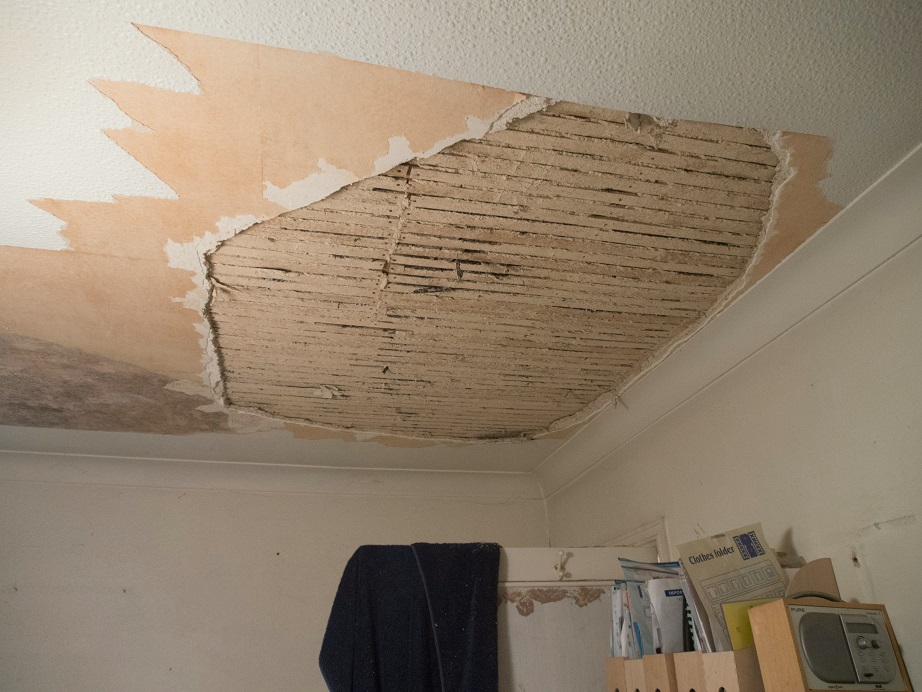
Roofing problems often stay hidden until they cause expensive damage inside a home. Small drips turn into large repairs if nobody finds them early enough to fix the gap. This leads to mold and structural rot that costs a lot of money to remove.
Finding these spots used to mean climbing a ladder for hours under the sun. New tools make the job much faster and safer for everyone involved. Tech keeps people off the roof and provides better results for property managers.
Modern Detection Tools
Modern roofing requires better ways to check for moisture entry after a storm. Old methods lack the speed needed for large commercial buildings with flat surfaces. Teams need to find cracks without ripping off the shingles or metal panels first.
New materials change how houses stay dry during the year. Selecting quality Atlanta metal roofing by Fowler Exteriors or from similar providers provides a strong shield against harsh storms. These systems last for decades when owners keep a close eye on them with regular checks.
Technology helps homeowners spot tiny holes before they leak into the living room. Drones and sensors find issues that eyes might miss from the ground level. This saves time and keeps the attic dry during the rainy season.
Neural Networks In Building Health
Computers now learn how to spot patterns in building data collected by cameras. Complex math helps machines predict when a roof might fail in the future. This math finds things humans often overlook during a quick walk on the property.
A recent research paper explained how a Multilayer Perceptron structure predicts environmental changes. This type of neural network identifies shifts in moisture levels quickly and accurately. It helps managers stop water damage before it gets much worse for the residents.
Software keeps getting better at reading these complex signals from the building exterior. Using math saves money on physical inspections every single year. You get a report on your roof without anyone stepping on a shingle or panel.
Internet Of Things Monitoring
Small devices can now live inside the roof layers to track moisture. These tools send alerts directly to a phone or computer dashboard instantly. They work day and night to keep the building safe from hidden water entry.
One study showed that low-cost sensors work well with specific internet platforms. These units track how humidity and heat affect the structure over a long time. Data shows a strong link between air quality and total roof health.
Staying connected means you never have to guess about a leak again. Constant monitoring keeps the whole building safe from mold and wood rot. You can see the health of your roof from anywhere in the world with an app.
Thermal Imaging Progress
Heat cameras show exactly where water hides behind the walls or under shingles. Wet spots look colder than dry areas on the screen during the day. This happens since water holds onto heat differently than wood or metal does.
Contractors use these tools to find leaks after a big rain happens. You can see the path water takes through the attic easily on the screen. This visual proof makes it simple to explain repairs to an insurance company later.
Mapping the heat signatures provides a clear picture of the total damage. This avoids tearing up parts of the roof that are still dry and strong. It focuses the work on the exact spot that needs fixing right now.
Sensor Integration Benefits
Smart sensors provide many advantages for modern property owners in wet climates. They reduce the risk of unexpected structural failures during the spring season. Having this data makes a house much easier to manage over many years.
- Lower repair costs over time.
- Faster detection of hidden drips.
- Better insurance rates for smart homes.
- Peace of mind for long-distance owners.
Monitoring systems track 24 hours a day without needing a break or rest. They catch small cracks that appear during large temperature shifts in the winter. This level of care is hard to match with a standard eye test.
Data-Driven Maintenance Plans
Data helps create a schedule for regular roof upkeep every year. Knowing the history of a building prevents major surprises later in the summer. You can plan for repairs months before they become an emergency for the family.
Teams look at sensor logs to see which areas need attention first. This focused approach makes the best use of a repair budget for the owner. It keeps the roof in top shape without wasting materials on good sections.
Preventative care stops 1 small drip from ruining the entire ceiling of a home. Keeping records helps when it comes time to sell the property to a buyer. New owners feel better seeing a history of professional care and monitoring.
Future Of Smart Structures
Upcoming tech will likely include robots that patch leaks themselves on the roof. Automated systems are currently in the testing phase at several labs today. These tiny machines find a hole and fill it with sealant quickly.
Imagine a roof that signals for help as soon as a shingle moves. Smart materials might even change shape to seal a gap during a storm. These inventions will make manual labor a thing of the past for most owners.
Keeping up with these changes keeps a home modern and strong for the future. New ideas arrive every year to make living easier for everyone in the house. Technology is the best tool for a safe and dry house in any weather.
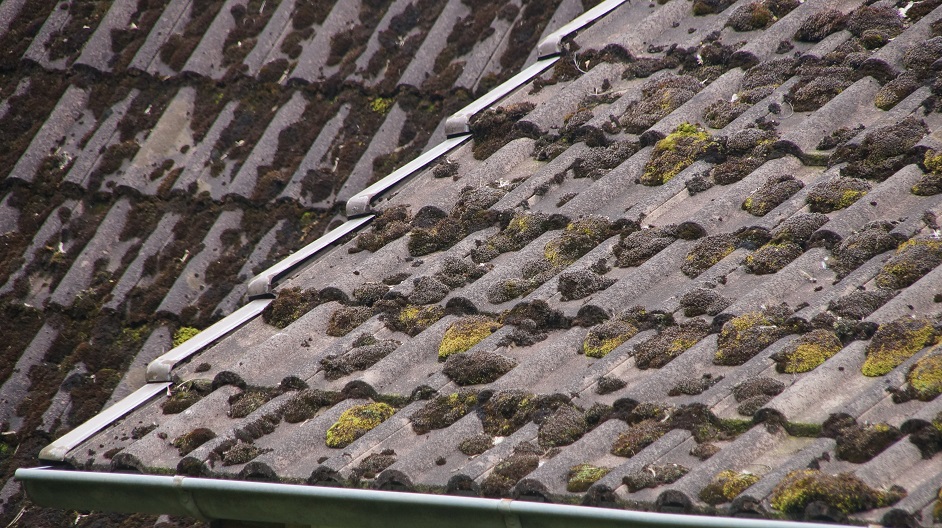
Roof tech is moving fast to protect homes from water damage. Staying informed helps you make the right choice for your property and budget. There are many options to keep your ceiling dry and your family safe.
Investment in detection tools pays off when the next storm hits the area. A dry home is a safe home for every family living inside. Keep looking for new ways to guard your structure from the rain and wind.
 B dynamic Logistics Selects Softeon Warehouse Management System to Power Growth & Customer Onboarding Speed
 FPT to Promote Digital Transformation for Sierra Leone
 Tower expands pharmaceutical corridors with new Singapore site
 New Aerospike Petabyte Scale Benchmark Runs Real-Time Operational Workloads on Just 20 AWS Nodes
 Draven McConville on Drones, Autonomous Vehicles, and What It Means for the Last Mile
 How Much Does It Cost to Hire a Criminal Defense Lawyer?