

Warehouses look very different today than they did a decade ago. Technology keeps moving faster every year – making manual processes feel outdated.
Companies want to stay competitive in a crowded market. Finding ways to move goods faster and more safely is the main goal for every manager.
The Evolution Of Material Handling
Traditional systems relied mostly on manual labor and simple machinery. Workers spent hours moving heavy loads across large floor spaces.
New technology allows for much smoother operations. Faster throughput means customers get their items on time. Modern tools help teams manage high volumes of orders without feeling overwhelmed.
Scaling a business requires these advanced tools to keep up with demand. Manual processes simply cannot compete with the speed of modern equipment. Investing in better hardware keeps the business moving forward.

Connecting Equipment Through Smart Sensors
Sensors track every movement of a product through the facility. This visibility helps managers spot bottlenecks before they cause delays. Digital eyes monitor the floor 24 hours a day.
Small devices attached to racks and bins provide constant feedback. Maintenance teams can fix issues before a machine breaks down completely. This proactive approach saves thousands of dollars in lost time.
This connectivity creates a seamless flow of information. Workers feel less stress when their equipment functions correctly. Reliable machines make the daily routine much more predictable for everyone.
Managing Bulk Liquids With Precision
Handling liquids requires specialized equipment to prevent spills and contamination. Standard containers often need extra protection to keep products safe during transport.
Efficient storage keeps costs low and prevents waste. Using IBC liner bags helps protect the integrity of raw materials inside large containers. This simple addition makes cleanup much easier for the warehouse crew.
Reusing containers becomes safer when they stay clean on the inside. Teams save time and money by reducing the need for harsh chemical washing. Better protection means higher-quality products for the end user.
Data Analytics Driving Real-Time Decisions
Information is the new fuel for modern industrial operations. Making decisions based on facts rather than guesses leads to much better results.
A recent industry report shared that 80% of manufacturing leaders intend to spend a fifth of their budget on smart tech. These investments focus on automation hardware and cloud computing to stay ahead.
Analyzing patterns helps managers predict busy seasons with high accuracy. This preparation keeps the facility running at peak performance throughout the year. Data takes the guesswork out of warehouse management.
Increasing Production Flexibility Through Automation
Manufacturing needs to change quickly to meet new customer requests. Traditional mass production often struggles to handle these sudden shifts in design.
Academic research shows that smart systems help old production lines adapt to making specialized items on demand. This shift allows for high efficiency even when creating custom products.
Robots and conveyors can now reconfigure themselves for different tasks. This adaptability is the key to surviving in a modern economy. Companies can offer more variety without slowing down their output.
The Impact Of Warehouse Management Software
Software acts as the brain of the entire material handling operation. It coordinates every move from the receiving dock to the shipping bay.
Inventory stays accurate without the need for constant manual counts. Digital tracking reduces errors that usually lead to lost revenue. Managers can see exactly what is in stock at any moment.
- Real-time tracking of every SKU.
- Automated reordering for low stock levels.
- Optimized picking routes for staff.
- Integration with shipping carriers.
Safety Improvements For Modern Logistics
Protecting workers is the most important part of any operation. Smart machines take over the most dangerous or repetitive tasks. This reduces the risk of accidents on the warehouse floor.
Automatic braking systems prevent collisions between forklifts and pedestrians. Lights and alarms signal when a vehicle is moving through a blind spot. These features make the workplace much safer for everyone.
Reducing physical strain leads to a healthier and happier workforce. Fewer injuries mean less downtime and lower insurance costs for the company. Safety and efficiency go hand in hand in modern logistics.
Sustainable Practices In Material Handling
Sustainability has become a key priority for modern warehouses looking to reduce their environmental impact. Companies are rethinking how materials are stored, moved, and packaged to minimize waste.
Energy-efficient equipment plays a major role in this shift. Electric forklifts, smart lighting systems, and optimized routing all contribute to reduced energy consumption. These changes help facilities maintain high performance while using fewer resources.
Recyclable materials and reusable packaging solutions further improve sustainability efforts. Reducing waste in daily operations creates a cleaner and more responsible work environment.
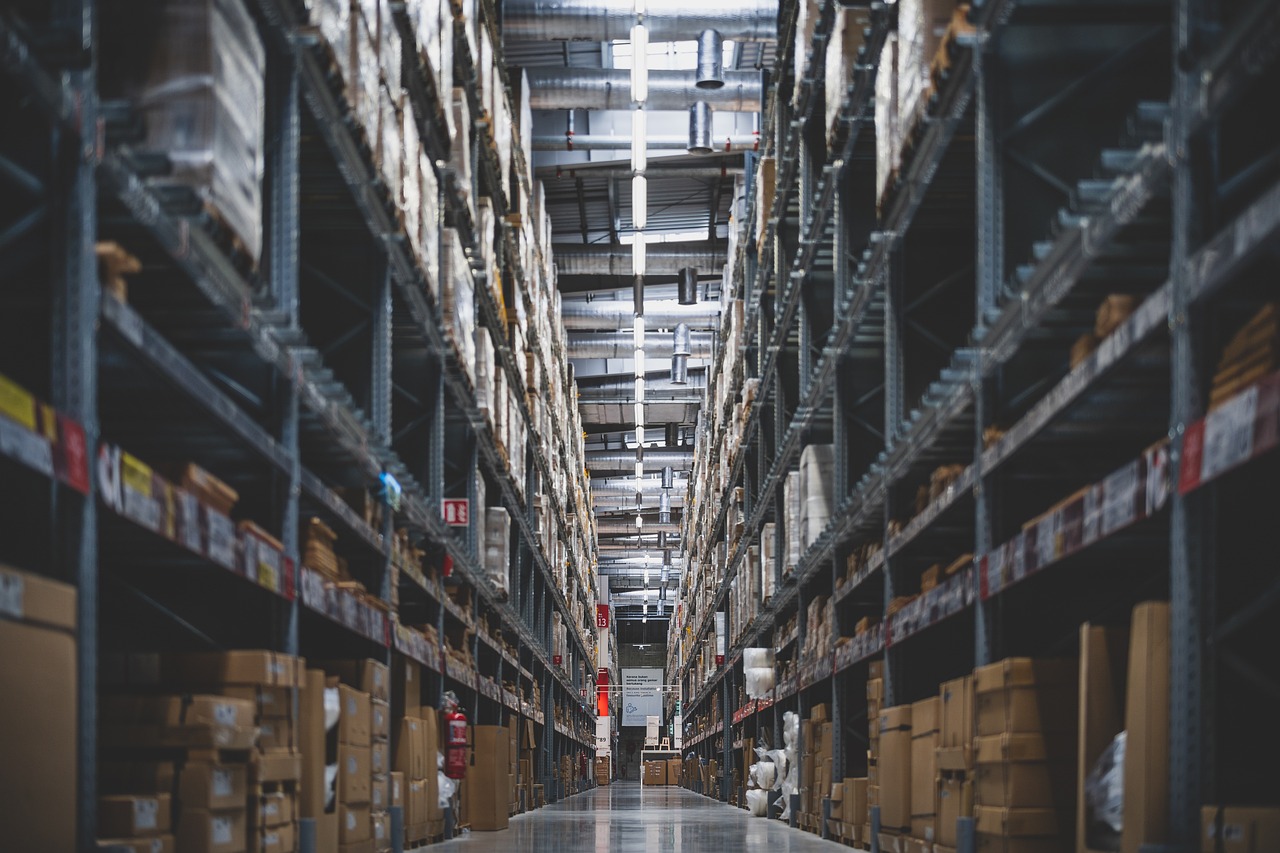
Investing in new tools creates a more resilient business. Small changes in how goods move can lead to massive gains in productivity over time.
The future of logistics looks bright for those who embrace change. Modern systems keep the supply chain moving smoothly for everyone involved.
 DevOps Security Enhanced with Certificate-Based Authentication & Configurable Time-to-Live for All Cloud Platforms
 Redwood Logistics Named Among 2022 FreightWaves FreightTech 25
 How to Choose the Right Investment Path in the Tech Age
 Renovotec launches ‘warehouse power products’
 Getronics appoints Keysource to support immersive liquid cooling integration
 10 Proven Strategies to Grow Your Kick Followers and Maximize Earnings