

Many drivers feel uncertain when they encounter a DUI checkpoint for the first time. Flashing lights, traffic cones, and officers directing vehicles into designated lanes can create confusion, especially for someone who has never experienced this type of traffic stop before. Knowing what generally happens can make the situation feel much less intimidating.
DUI checkpoints are designed to promote public safety by identifying impaired drivers while allowing law enforcement to conduct traffic stops in an organized manner. Although the process is typically straightforward, drivers often have questions about what officers may ask, what they are expected to do, and what rights they have during the encounter.
Familiarizing yourself with Austin DUI checkpoints will help you better understand the process before you encounter one. A basic understanding of how checkpoints operate allows people to approach the situation calmly and confidently.
What Happens at a DUI Checkpoint
A DUI checkpoint is a temporary traffic stop where law enforcement officers briefly interact with selected drivers according to established procedures. Vehicles are typically directed into designated lanes, and officers speak with drivers to observe for signs of impairment or other traffic violations.
Most checkpoint interactions are relatively brief when no issues are identified. Officers may request a driver’s license, vehicle registration, or proof of insurance while making routine observations before allowing the driver to continue.
The specific procedures used at a checkpoint may vary depending on local laws and law enforcement practices. Traffic volume, staffing, and operational guidelines can all influence how a checkpoint is conducted.
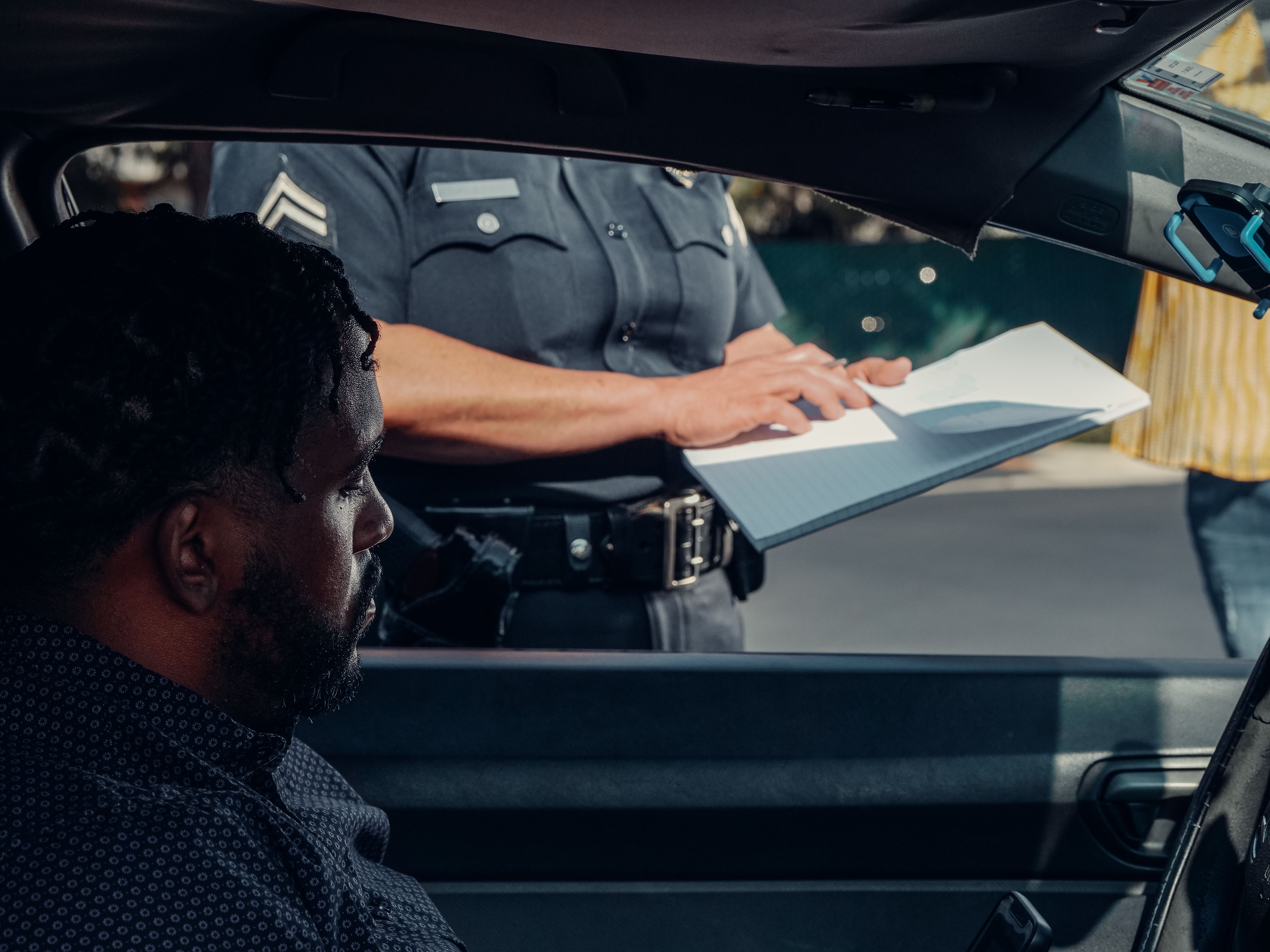
What Drivers Can Expect
Drivers approaching a checkpoint should expect to slow down, follow traffic directions, and respond politely to any instructions provided by law enforcement officers. Remaining calm and cooperative helps the interaction proceed efficiently for everyone involved.
Officers may ask routine questions while observing the driver for signs of impairment. If no concerns are identified and all required documents are available, many motorists continue through the checkpoint after only a brief stop.
Following instructions carefully also helps maintain safety within the checkpoint area. Paying attention to traffic cones, temporary signs, and officer directions reduces confusion as vehicles move through the screening process.
Understanding Driver Rights
Drivers continue to have legal rights when passing through a DUI checkpoint, although those rights are governed by the laws of the jurisdiction where the checkpoint is operating. The exact rules regarding checkpoint procedures and driver interactions may differ from one state to another.
Because legal requirements vary, drivers should avoid making assumptions based on experiences or information from other locations. Understanding the laws that apply where you live or travel provides a more accurate picture of what to expect during a checkpoint.
General legal information can be helpful, but questions involving specific legal rights or individual circumstances are best addressed by a qualified attorney familiar with the applicable laws in that jurisdiction.
Planning Ahead Before You Drive
The simplest way to avoid concerns at a DUI checkpoint is to plan transportation before consuming alcohol or any substance that may impair driving ability. Choosing a designated driver, arranging a rideshare, or using public transportation helps reduce unnecessary risks.
Preparation also includes carrying a valid driver’s license, current vehicle registration, and proof of insurance whenever operating a vehicle. Having these documents readily available helps routine traffic stops proceed more efficiently.
Responsible planning benefits everyone on the road. Making safe transportation decisions before beginning a trip remains one of the most effective ways to protect yourself and others.
Conclusion
DUI checkpoints are intended to promote roadway safety while providing law enforcement with an organized method of identifying impaired drivers. Although the experience may feel unfamiliar, understanding the general process helps reduce uncertainty when approaching a checkpoint.
Knowing what typically happens, following officer instructions, and recognizing that checkpoint procedures vary by jurisdiction allows drivers to approach these situations with greater confidence. Preparation and awareness can make the experience more predictable.
The best approach is always responsible driving. Planning ahead, avoiding impaired driving, and staying informed about local laws help create safer roads while reducing unnecessary stress during any traffic stop.
 Building Robust Supply Chain Resiliency Considering the COVID 19 Experience-Part B
 Renovotec partnership brings next-generation networking to warehousing & logistics
 Logility Maximizes Production Efficiencies with Advanced Scheduling Capabilities
 Take Control of the Situation: MPO’s Emergency Relief Cloud Solution
 Maximizing Savings: How a Digital Mailbox Can Cut Your Expenses
 The Horrors of Ecommerce Delivery Spell More Tricks Than Treats for Consumers