

New York City is famous for its crowded sidewalks, busy intersections, and nonstop energy. Millions of people live, work, and travel through the five boroughs every day, creating an environment that feels exciting to some and overwhelming to others. It’s easy to assume the entire city offers the same fast-paced experience.
In reality, life can look very different depending on where you are. Some neighborhoods feel surprisingly quiet, with tree-lined streets, active community groups, and parks that offer a welcome break from the city’s constant motion. Those differences also influence how safe people feel in their daily lives.
When people ask about the safest borough in NYC, they’re often looking for more than crime statistics alone. Everyday experiences, neighborhood character, and community involvement all help shape whether an area feels comfortable to call home.
Safety Is About More Than Crime Numbers
Crime data provides useful information, but it doesn’t tell the entire story. A neighborhood’s design, lighting, public transportation, and overall upkeep all influence how secure residents and visitors feel as they go about their daily routines.
Well-maintained parks, clean streets, and active local businesses often contribute to a stronger sense of community. When people spend time outside, know their neighbors, and participate in local events, those connections can make an area feel more welcoming and comfortable.
Access to schools, healthcare, grocery stores, and other everyday services also plays a role. A neighborhood that supports daily life in practical ways often creates a stronger feeling of stability than crime statistics alone can measure.
Some Boroughs Earn Their Reputation
Certain boroughs and neighborhoods have developed strong reputations for being quieter and more residential than others. Areas with lower population density, established neighborhoods, and consistent community investment are often viewed as especially appealing by families and professionals alike.
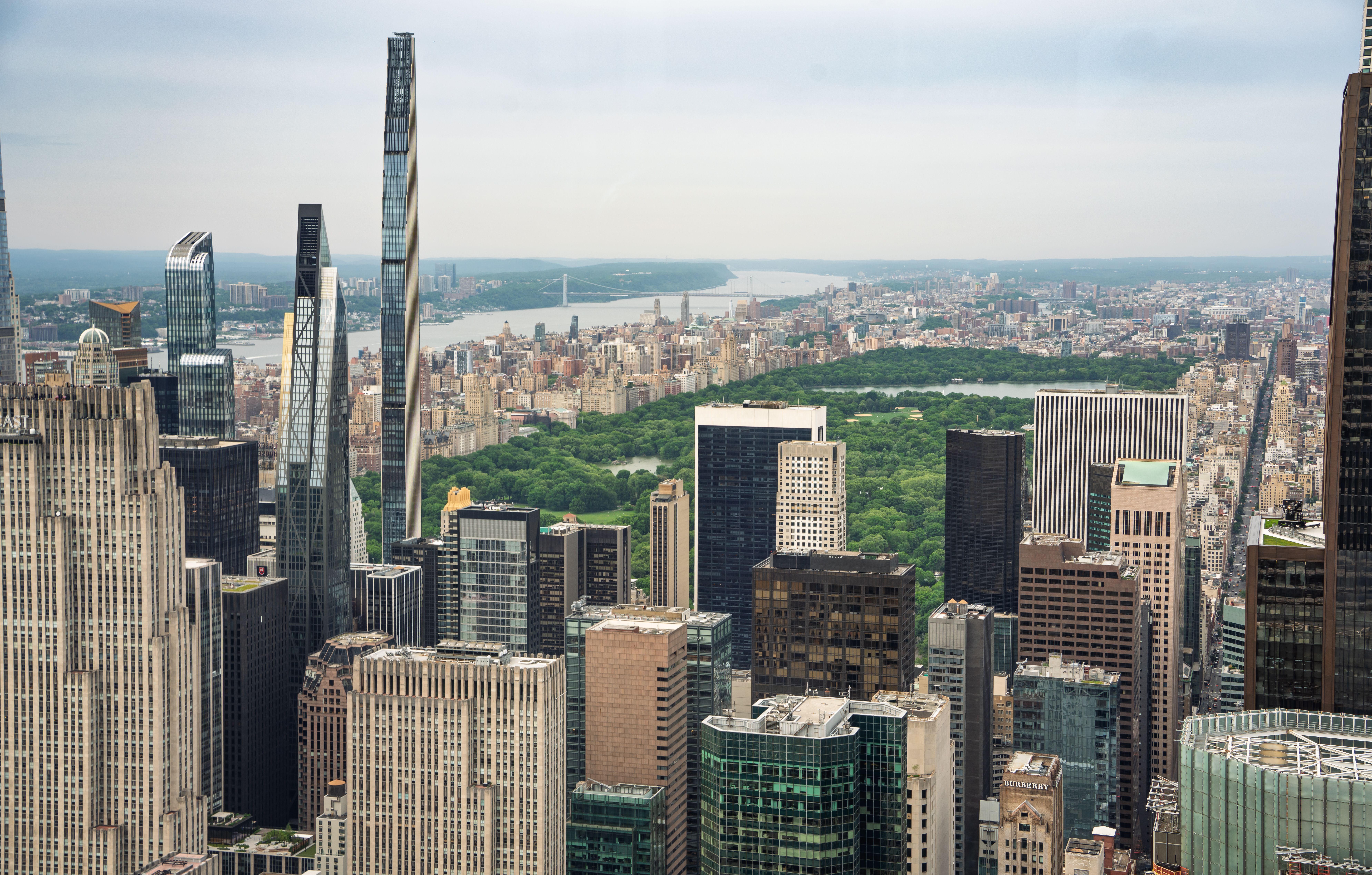
Staten Island, for example, is frequently associated with suburban-style living, while portions of Queens are known for residential streets, diverse communities, and a slower pace than many people expect from New York City. Parts of Manhattan and Brooklyn also contain neighborhoods that feel remarkably peaceful despite their urban surroundings.
No borough is entirely the same from one neighborhood to the next. Even within areas that enjoy strong reputations, individual communities can offer very different experiences depending on location, amenities, and local conditions.
What Makes Residents Feel Comfortable
Many people judge a neighborhood by how it feels during everyday life rather than by numbers alone. Being able to walk comfortably, spend time in local parks, or see neighbors out enjoying the community often creates a stronger sense of security.
Good schools, well-used public spaces, and active neighborhood organizations also influence how residents view their surroundings. Communities where people take pride in maintaining their streets and supporting local businesses often develop lasting reputations for being pleasant places to live.
Accessibility matters as well. Reliable public transportation, nearby services, and opportunities for recreation all contribute to an environment where residents feel connected rather than isolated, adding to an overall sense of comfort.
The Best Choice Depends on Your Priorities
What feels like the right neighborhood for one person may not be the right fit for someone else. Families with young children may prioritize schools and parks, while professionals might focus on commuting time, restaurants, or convenient access to business districts.
Visiting neighborhoods at different times of day can provide valuable perspective. A community that feels lively during the afternoon may become much quieter in the evening, while another area may offer a completely different atmosphere depending on the day of the week.
Finding the right balance often means considering several factors together instead of focusing on a single ranking. Lifestyle, budget, convenience, and personal comfort all deserve a place in the decision-making process.
Conclusion
New York City offers far more variety than many people expect. Beyond the iconic skyline and crowded streets are neighborhoods with distinct personalities, slower rhythms, and strong community ties that create very different daily experiences.
Safety is shaped by more than crime statistics alone. Walkability, neighborhood engagement, public spaces, and the overall environment all influence how secure and comfortable people feel where they live.
Looking at the complete picture helps provide a better understanding of what makes a neighborhood appealing. Taking time to explore different areas can reveal that some of the city’s most welcoming places exist well beyond the stereotypes that often define New York.
 Yusen Logistics Powers State-Of-The-Art UK Distribution Centre with Manhattan Active® Warehouse Management
 Online retailers facing cardboard packaging ‘double whammy’ of longer lead times & higher prices
 Label & artwork management: the hidden killers of sustainable packaging
 ANSCHÜTZ Takes Aim at Growth with Infor
 Speedy Freight supports the ADAM Foundation to help end knife crime in Liverpool
 The Difference Between PLA and ABS for 3D Printing