

Rather than managing separate print vendors and storage facilities, operations teams are consolidating production, custom kitting, and shipping under one roof.
Running a multi-location enterprise, franchise, healthcare network, or retail chain gets expensive when your print supply chain splits across disconnected vendors. Every time a commercial printer ships boxes of brochures, branded packaging, or promotional kits to a separate third-party warehouse, your team absorbs extra freight fees and coordination delays.
Merging print production with warehouse distribution fixes that bottleneck right at the source. When a single partner handles printing, storage, assembly, and shipping under one roof, you protect your margins and get critical materials to regional branches on time.
Why Do Separate Print and Storage Vendors Drain Your Budget?
Split vendor handoffs create hidden costs that compound across every seasonal campaign, training manual, or compliance packet rollout. Each transfer between your press operator and an outside warehouse adds pallet freight charges, receiving delays, and extra handling risks.
Labor pressures inside standalone storage facilities make those handoffs even pricier. According to FedEx, warehouse operators face ongoing trouble recruiting and keeping workers while hourly wages for blue-collar staff climb 5 to 6 percent each year. Separate vendors also struggle with version control, leaving your branches stuck with outdated compliance packets or obsolete inventory collecting dust.

How Do Unified Partners Streamline Production and Distribution?
Bringing printing and storage together eliminates middleman transit and gives your operations team direct control over every campaign launch. Enterprise brands increasingly rely on integrated printing and fulfillment services to combine commercial press runs, custom kitting, and nationwide shipping inside a single coordinated workflow. Because your printed pieces move straight from the press floor to adjacent storage racks, your team cuts double-handling fees and shortens delivery lead times across every branch.
What Tools Keep Multi-Site Inventory Moving Fast?
Modern unified facilities pair on-demand digital presses with climate-controlled warehousing so sensitive paper stocks and branded packaging stay crisp year-round. Your regional managers can log into a real-time ordering portal to request exact branch quantities instead of guessing bulk numbers.
Automated pick-and-pack kitting lines then pull static inventory alongside freshly printed inserts for rapid assembly:
- Print on demand: Produce updated training guides or local flyers only when branch orders arrive, preventing warehouse waste.
- Control stock conditions: Store delicate packaging and marketing displays in climate-regulated bays to stop warping or moisture damage.
- Automate kit assembly: Combine static merchandise with custom printed pieces in a single pass for faster branch dispatch.
Which Metrics Should Guide Your Vendor Consolidation Audit?
Before you consolidate suppliers, measure how well a prospective partner tracks SKUs and scales production runs. Strong providers deliver near-perfect order accuracy, live portal inventory visibility, and flexible batch sizing that handles both 50-unit test kits and 50,000-unit national rollouts without penalizing your budget.
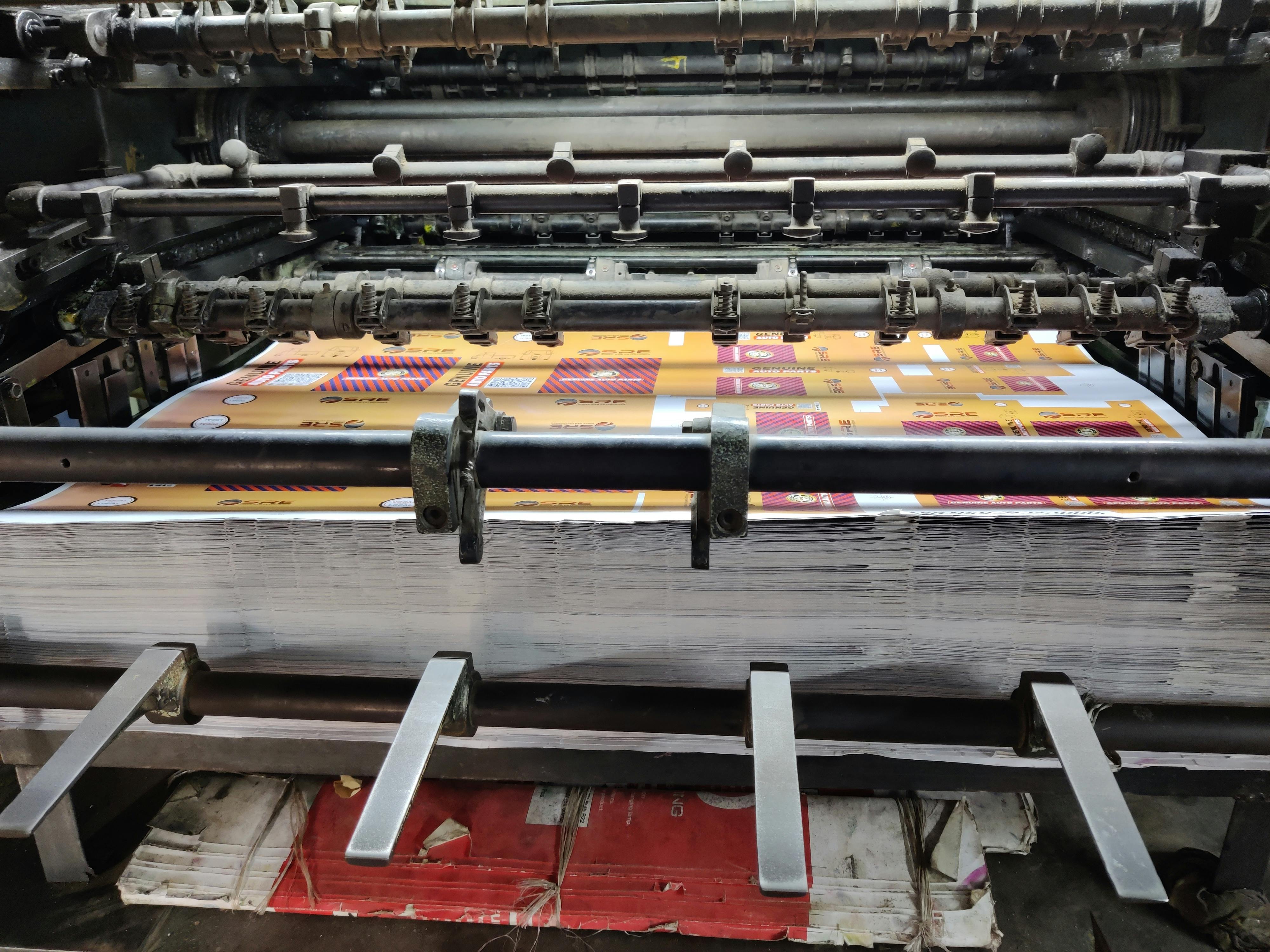
Start your vendor audit by mapping every touchpoint between your current print shops, storage facilities, and regional delivery carriers. Count how many times your pallets change trucks, calculate your annual write-offs for outdated print runs, and review your warehouse handling invoices. Moving production, kitting, and distribution under one roof removes those redundant steps, lowers your overhead, and gives every location reliable access to up-to-date brand materials.
 2024 AI and Synthetic Data Predictions
 Largest annual fall in retail sales, what next for retailers?
 How to Create a Winning Strategy in Online Casino Games
 Zero-Trust Model Critical For Securing Remote-First Work Environment
 Despite green pledges, less than a quarter of organisations monitor suppliers on carbon emissions
 AI in Capital Markets: Enhancing Trading and Liquidity