

Sudden air conditioning failures during extreme heatwaves threaten indoor operations, requiring rapid diagnostic dispatch to restore essential climate control.
When record summer heat waves settle over your region, your commercial cooling equipment faces extreme operational strain. A sudden equipment breakdown compromises your building air quality, halts daily workflow, threatens sensitive server infrastructure, and puts occupant health on the line. You cannot afford prolonged confusion when indoor temperatures climb by several degrees every hour.
Managing these high-stakes incidents requires a clear, repeatable diagnostic protocol that cuts through panic. By arming your maintenance team with structured troubleshooting workflows and trusted mechanical partners, you protect both your tenants when outdoor conditions peak.
Image source: https://unsplash.com/photos/5tmWXVdRbUg
Why Do Extreme Heatwaves Overwhelm Commercial Cooling Systems?

High ambient temperatures force your rooftop chillers and split systems to run without normal cycling breaks. Condenser coils fight to reject heat into baking ambient air, driving system head pressures to their upper limits. Because electrical draw rises alongside thermal stress, your mechanical components face severe resistance that exposes any pre-existing mechanical weakness.
Under this persistent load, small maintenance oversights turn into catastrophic failures. Dust accumulation on outdoor coils, aging wiring connections, and minor airflow restrictions suddenly become primary failure points. Your building infrastructure requires steady heat rejection, and when external temperatures spike, your safety buffers disappear entirely.
When Should Facilities Dispatch Emergency Contractors?
Scorching outdoor conditions leave your maintenance team zero margin for diagnostic guesswork. When primary chillers drop offline during peak operational hours, calling a dependable emergency AC repair service provides direct access to qualified technicians equipped for fast-track recovery. Certified specialists arrive with commercial recovery rigs and diagnostic instruments designed to locate electrical interruptions before motors burn out completely.
Rapid contractor arrival safeguards your indoor air quality and keeps server environments well below dangerous thermal limits. Rather than pulling your in-house staff away from general building operations, third-party specialists focus entirely on mechanical restoration. Their presence buys you time, protects delicate assets, and maintains regulatory compliance across occupied spaces.
How Do Sudden Electrical and Mechanical Faults Develop?
System shutdowns rarely stem from mysterious causes. Power grids during peak heat waves experience voltage sags and unexpected surges that stress your motor contactors and control boards. A brief voltage drop spikes the amperage running through your compressor windings, tripping internal overloads or welding contactor points together.
Mechanical assemblies endure comparable strain under relentless operation. Fan motors with aging bearings can seize without warning, cutting condenser airflow and triggering immediate high-pressure shutdowns. Microscopic pinhole leaks in vibration-stressed copper lines bleed out refrigerant, starving your evaporator coils and causing compressors to run dangerously hot.
How Do Technicians Triage Systems Under Thermal Strain?
Effective field triage follows an orderly elimination sequence rather than random component swapping. Diagnostic technicians review your system controls, safety switches, and electrical feeds to isolate the exact malfunction without creating secondary damage.
Systematic Testing Across Mechanical Assemblies
Technicians begin at the main electrical disconnect, measuring incoming supply voltage across all legs to rule out utility supply imbalances. Once they verify stable three-phase power, they isolate internal distribution blocks and safety loops.
Diagnostic crews hook digital manifold gauges directly to high-side and low-side service ports to read real-time operating superheat and subcooling values. They cross-reference these pressures against thermistor readings to isolate stuck expansion valves or dirty evaporator coils. Studies by Envigilance indicate that continuous performance visibility through real-time unit sensor monitoring reduces emergency repairs by 70% while extending equipment lifespan by 3 to 5 years.
Why Are Structured Response Agreements Critical for Facility Protection?
Commercial mechanical contractors handle massive call volumes during summer heat events, leaving unprotected facilities stuck at the bottom of long service queues. A structured service level agreement gives your property designated priority dispatch status around the clock.
- Secure guaranteed response windows: Formal contracts establish mandatory four-hour technician arrival windows that prevent prolonged interior temperature spikes during severe heat spikes.
- Pre-authorize emergency spending limits: Setting clear financial approval thresholds ahead of time allows arriving technicians to start costly part replacements without administrative delays.
- Maintain dedicated equipment profiles: Trusted contractors log your equipment model numbers, belt sizes, and refrigerant types off-site, arriving with the exact replacement components on their service trucks.
- Lock in preferred repair rates: Pre-negotiated labor brackets protect your operating budget from aggressive market surcharges during citywide heat advisories.
What Preventive Safeguards Minimize Catastrophic Downtime?
Preventive maintenance remains your most powerful defense against sudden cooling loss. Scheduled seasonal tune-ups clear debris from heat transfer surfaces, tighten electrical lugs, and verify refrigerant charges well before summer heat arrives. Catching weak components in mild spring weather protects your team from chaotic midday emergencies in July.
According to data published by Oxmaint, facilities that follow structured preventive maintenance programs spend 25% to 40% less on annual cooling expenses compared to purely reactive operations. That disciplined approach helps you avoid premium emergency repairs and preserves your mechanical asset values over decades of heavy service.
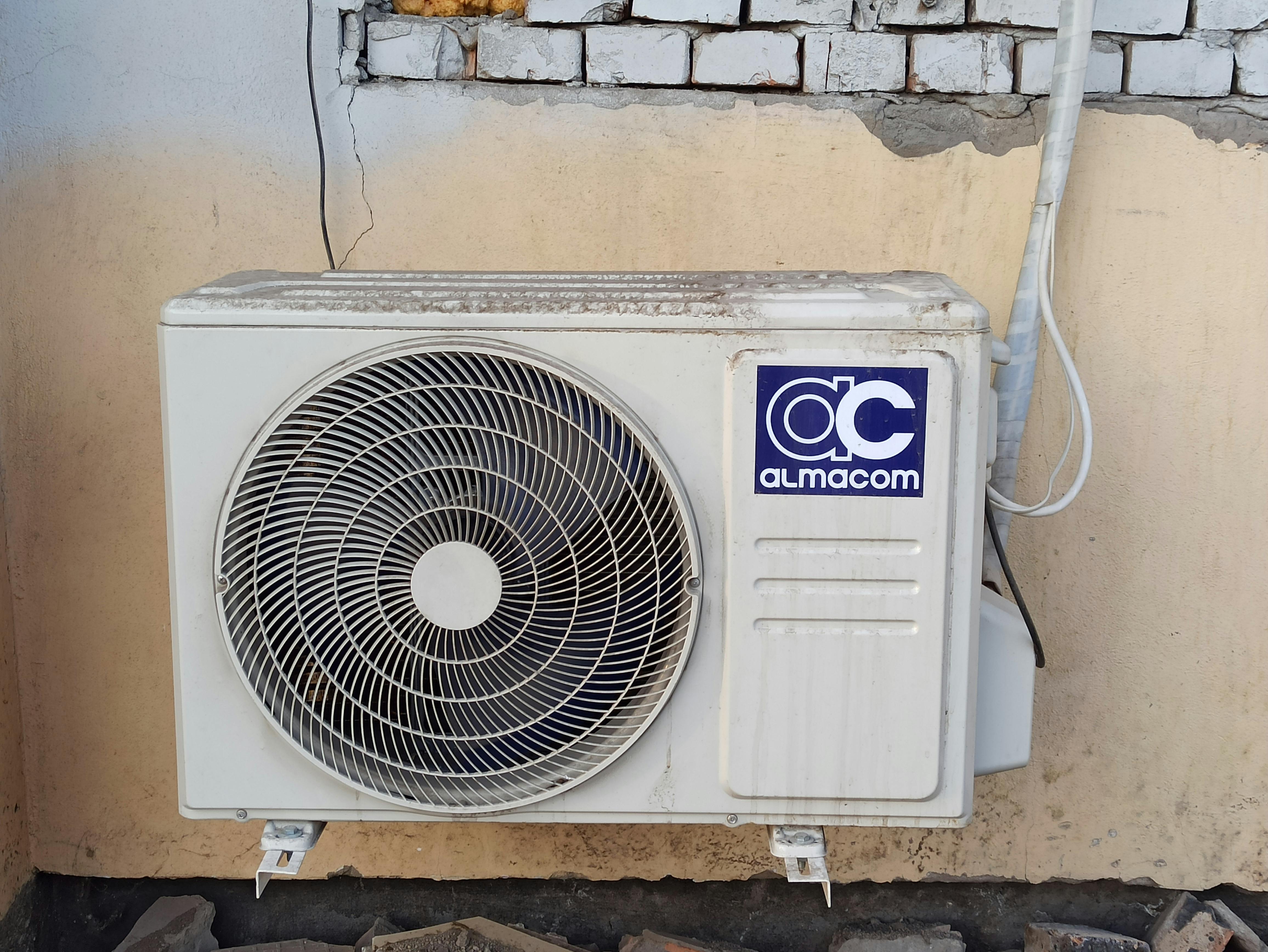
Building a resilient cooling strategy combines rigorous diagnostic workflows with trusted mechanical contractor partnerships. When extreme heat challenges your facility, having systematic troubleshooting protocols and clear emergency escalation channels keeps your team calm and focused. Your indoor environment will stay safe, comfortable, and productive no matter how high outdoor temperatures climb.
 What could Trump’s US mean for UK businesses?
 Don’t Fall for These IT Supply Chain Myths
 How to Optimize Your Ecommerce Business for International Shipping
 Siemens Logistics receives extensive modernization order at KL International Airport in Malaysia
 Meukow, the prestigious brand of Cognac, relies on TSC printers
 Artificial Solutions signs agreement with a Swedish automotive manufacturer of commercial vehicles