

Large industrial facilities operate on tight schedules to meet strict delivery windows.
A sudden plumbing failure disrupts this workflow and creates immediate logistical challenges.
Warehouse managers must recognize the early signs of pipe blockages before a major overflow halts daily production entirely.
Clear drainage will avoid the massive headaches of an operational shutdown.
The Hidden Danger Under the Concrete Floor

Warehouses rely on smooth operations to keep supply chains moving. A major obstacle arises when the sewer halts daily distribution activities.
If you are from the location, invest in sewer backup in Pittsburgh services that deliver fast solutions. Heavy machinery and inventory cannot move safely when the facility’s drains overflow.
Main drainage lines run deep beneath the heavy concrete slabs of industrial buildings. The pipes handle high volumes of wastewater from employee restrooms, breakrooms, and cleaning stations.
Constant pressure can cause old sewer lines to deteriorate with no visible warning signs. Heavy warehouse vehicle traffic adds weight strain to the soil surrounding these underground lines.
How Clogged Main Lines Stop Operations
When a main sewer line becomes blocked, water has nowhere to go. It travels backward through floor drains located in loading docks and storage bays. Wastewater creates an immediate hazard for employees working in the area. Odors fill the building and make working conditions unbearable within minutes.
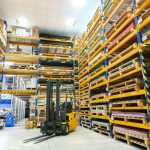
Managers must close affected zones to protect staff and prevent product contamination. Forklift traffic stops completely in those aisles, which breaks the efficiency of the fulfillment process. Shipping schedules suffer when workers cannot access key inventory zones.
Common Causes of Commercial Drainage Blockages
Industrial pipes handle far more debris than standard residential plumbing lines. Foreign objects often slip into floor drains during busy shifts. Workers might accidentally wash packaging materials or heavy grease down the wrong drains. Over several months, these materials collect and form solid plugs inside the main pipe.
Tree roots present another major threat to older commercial properties. Roots grow toward moisture and find small cracks in underground sewer lines. They expand inside the pipe and catch passing debris until the water flow stops completely. Regular inspection finds these hidden blockages before an overflow happens.
The Operational Consequences of Foul Odors
Sewer blockages create issues that extend beyond standing water. Airborne odors spread rapidly through a massive warehouse ventilation system. Employees cannot work comfortably when toxic smells fill the packing and shipping bays. Safety regulations require proper indoor air quality for all warehouse personnel.
Bad smells penetrate porous inventory items stored nearby. Clothing, food products, and paper goods absorb these ambient odors quickly. Damaged goods become unsellable, which increases the total loss from the plumbing incident. Install air scrubbers to clear the atmosphere after the drain clears.
The Financial Impact of Industrial Pipe Blockages
A facility shutdown will result in immediate revenue loss as shipments miss scheduled departures. Delivery delays damage long-term business relationships. Shift workers face idle hours during an unexpected operational freeze. Companies lose thousands of dollars for every hour the loading docks remain closed.
Emergency repair fees add to the financial strain of a distribution center stoppage. A commercial plumbing repair guide notes that clearing a clogged mainline can run between $500-1,500. Heavy commercial usage pushes the final billing toward the higher end of that scale. Specialized equipment is required to clear industrial-grade obstructions.
Property Damage and Cleanup Challenges
Raw sewage ruins cardboard packaging and corrupts sensitive electronic inventory on lower shelves. Materials stored near floor drains face immediate exposure to contaminated water. An industry report on restoration estimates that cleanup costs for a backup typically range from $2,000 to $10,000. Additional plumbing repairs can add anywhere from $150 to over $25,000 to the total bill.
Specialized teams must sanitize the facility before workers can return to their duties. This intensive cleaning process demands hours of labor and professional chemical treatments. Standard operations remain completely paused during the entire restoration window. Unusable space reduces total storage capacity until safety inspectors clear the zone.
Preventing Full Facility Shutdowns
Maintenance helps industrial businesses avoid catastrophic plumbing failures. Regular inspections detect root intrusion and grease buildup before total blockages form. Implementing a proactive facility strategy protects both the physical building and the daily operations. Smart managers invest in routine care to avoid sudden emergency fees.
Facility managers can adopt simple habits to keep main lines clear throughout the year. Here are some steps to protect the underground infrastructure from early wear:
- Schedule annual camera inspections to check for structural cracks
- Install heavy-duty drain guards to catch large debris in loading areas
- Educate employees on proper waste disposal in common areas
- Track pipe performance history to schedule cleanings before emergencies hit

Main sewer lines demand the same regular oversight as loading docks and roof panels. Taking early action against drainage slow-downs prevents expensive operational freezes and structural damage. A clean, functional facility keeps shipments moving on time.
 DAT & FourKites Bring Real-time Supply Chain Visibility to North America’s Largest Freight Marketplace
 Manhattan Associates eliminates “the platform paradox” for growing businesses
 Webinar: 7 Business-Boosting Benefits of Cloud Labeling
 Image Analyzer comments on Internet Matters child livestreaming report
 Pentest People launches Red Team Assessment Service
 What Technology Can Help Reconstruct a Car Accident?