

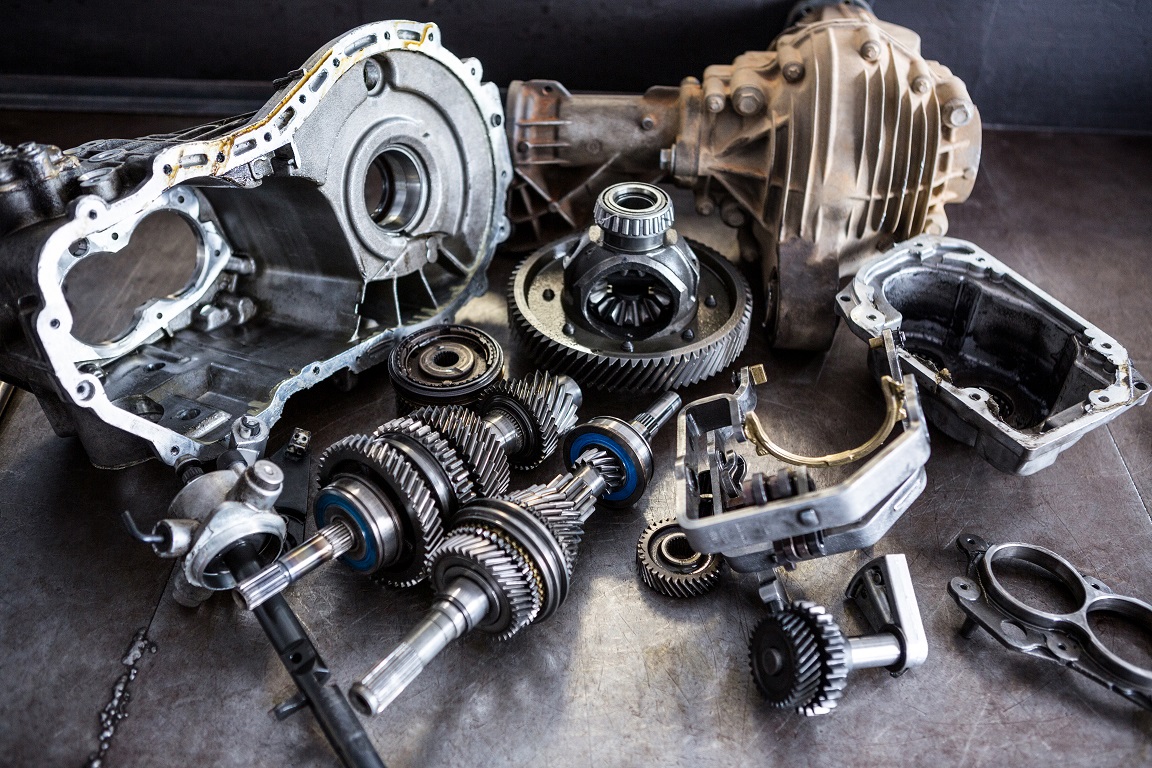
The tariff on imported trucks and components didn’t arrive as a line item on most fleets’ radar. It slipped in through the parts counter. A water pump here. A set of injectors there.
The kind of purchases of truck parts that never warranted a second thought now carry a premium that wasn’t there before.
Fleet Equipment Magazine’s analysis of the Section 232 action explains that imported medium- and heavy-duty trucks and their parts now carry a 25% tariff, framed as a national security measure. A tariff on new trucks is easy to spot in a headline, but fleets that never buy a new tractor still meet it at the parts counter.
That’s the part nobody talks about. Most carriers aren’t shopping for new equipment. They’re keeping what they have on the road. And the truck parts they need to do that are getting more expensive, harder to find, and slower to arrive.
Truck parts: What Changed at the Counter
In some cases, the increase is already visible. For example, a turbocharger that ran $900 now quotes closer to $1,100. An injector set that was $1,800 is pushing $2,200. For an imported Class 8 reman engine, the tariff can add $4,500 to $7,000 on top of an already significant bill. The exact increase depends on where the part comes from: parts from the EU and Japan face a 15% rate, UK parts 10%, and USMCA-qualifying parts from Mexico and Canada are currently exempt.
Multiply that across ten trucks and a normal maintenance year. Two major repairs per truck means 20 repairs. At an extra $300 to $400 each, that’s $6,000 to $8,000 a year, before a single engine job. Add one reman engine, and the total can reach $10,000 to $15,000.
The Lead Time Problem
When tariffs hit, distributors change how they stock. Some pull back on inventory. Others buy ahead. Neither approach is consistent, and the result is uneven availability.
A part that used to arrive the next day now takes a week. Sometimes two. The repair itself might be routine. The truck sitting in the bay isn’t.
That’s downtime. And downtime doesn’t send an invoice. It just eats revenue quietly.
What Actually Helps
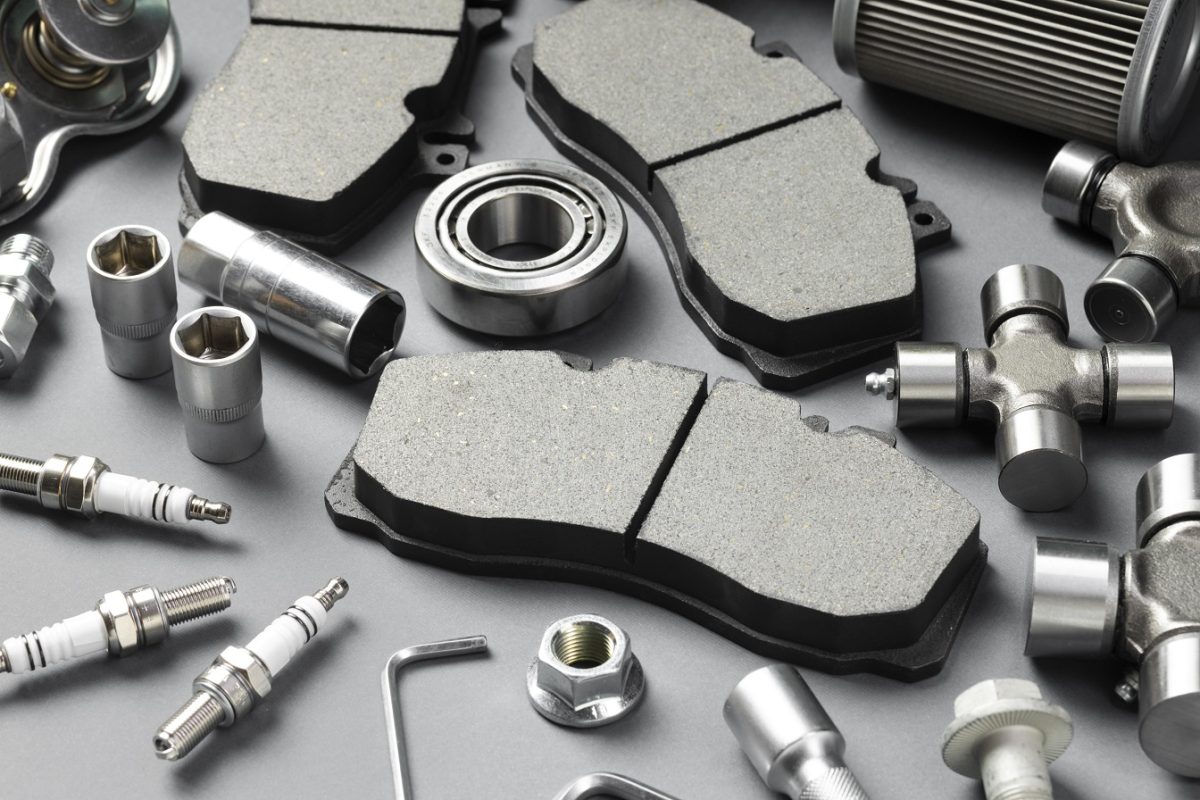
Reman first. Remanufactured components carry warranties and meet OEM specs. Their supply chains rely on domestic cores. Ask about reman before approving new.
Write it down. A simple sourcing standard — which categories get reman, which brands are approved, what warranty paperwork is required — removes guesswork from every repair.
Return your cores. That worn-out part has value. Send it back. Take the credit.
Check domestic options. Not everything has a domestic equivalent. But brake drums and suspension parts often do. Compare total cost, not just sticker price.
The Key Takeaways
The tariff isn’t a headline problem. It’s a maintenance problem. It shows up one part at a time and accumulates quietly.
The fleets that handle it best aren’t chasing the lowest price. They’re asking better questions before the truck goes on the lift. Remanufactured or new? Core returned? Domestic option available?
Those small decisions add up. In a tariff environment, discipline in buying truck parts is worth more than a discount.
 Why a backup tracker is crucial in fleet tracking & management
 The Tech Trailblazers forecast future tech startup trends in new eBook
 Master the Art of Tongits Game at GameZone!
 Epson to showcase latest on-demand colour label printers at the PPMA Show, NEC, this September
 GXO Expands Partnership with NHS England
 SAP Brings SuccessFactors & Joule to NTT DATA’s Global People & Culture Transformation