

Digital platforms have transformed freight procurement. Shippers can compare routes, request quotations, exchange documents and monitor cargo movements faster than ever before. For standardised shipments, automation has removed much of the repetitive work that once required numerous emails and telephone calls.
However, not every cargo movement can be converted into a predictable digital transaction.
Oversized machinery, heavy industrial equipment, breakbulk parcels and project cargo involve technical and operational variables that cannot always be captured through a standard online form. Digital tools can improve the process, but experienced human judgment remains essential when vessel suitability, lifting limitations, port restrictions and commercial risk must be assessed together.
This is the last manual mile in digital freight: the point at which available data must be interpreted by someone who understands how the shipment will actually work.
Standard freight is easier to automate
Digital freight systems perform best when the transport unit and operating process are standardised.
For containerised cargo, the shipper selects an established equipment type, provides the weight and dimensions, and chooses between scheduled routes. The platform can compare available services because the underlying transport product is relatively consistent.
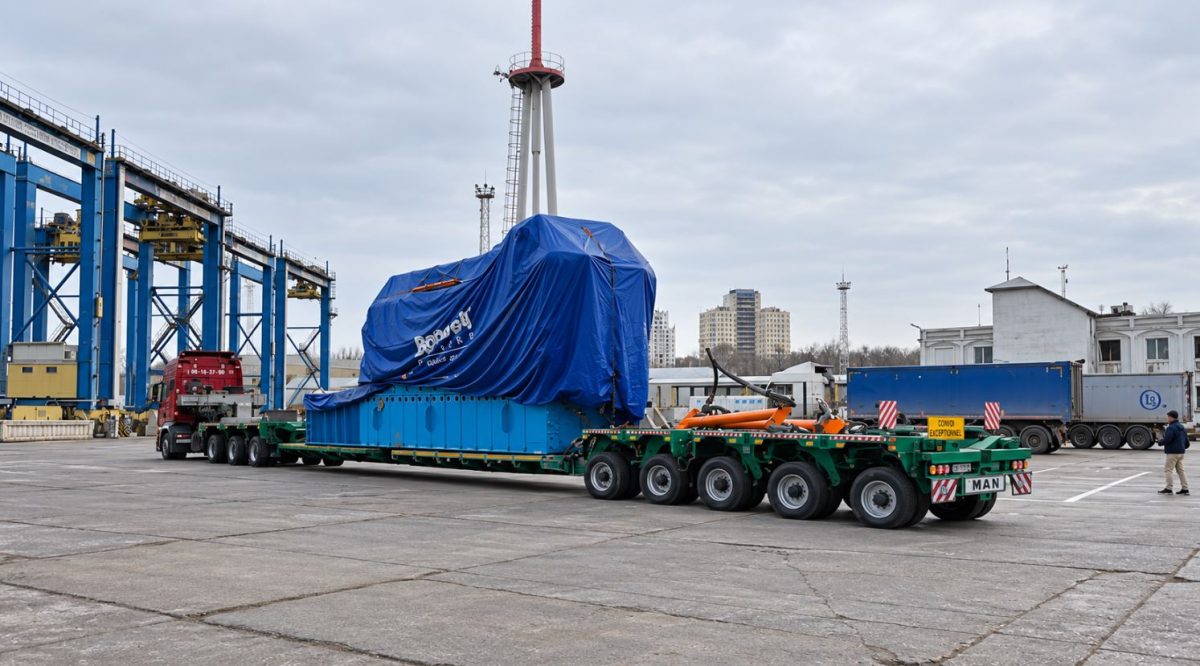
Complex cargo is different. A shipment described simply as “one transformer” or “five pieces of industrial equipment” does not provide enough information to identify a suitable vessel or calculate a reliable freight quotation.
The shipbroker or vessel operator may need to know:
- The exact dimensions and gross weight of every item
- The centre of gravity
- The location and capacity of lifting points
- Whether the cargo can be exposed to weather
- Whether it can be loaded on deck
- The required supporting structure
- Permissible acceleration and securing forces
- Whether the equipment can be dismantled
- The availability of cranes at both ports
These factors are interconnected. Changing one assumption can alter the vessel requirements, loading method and total transportation cost.
A vessel match is more than an available position
A digital system may identify vessels located near the loading port during the required dates. That is useful, but geographical proximity does not establish technical suitability.
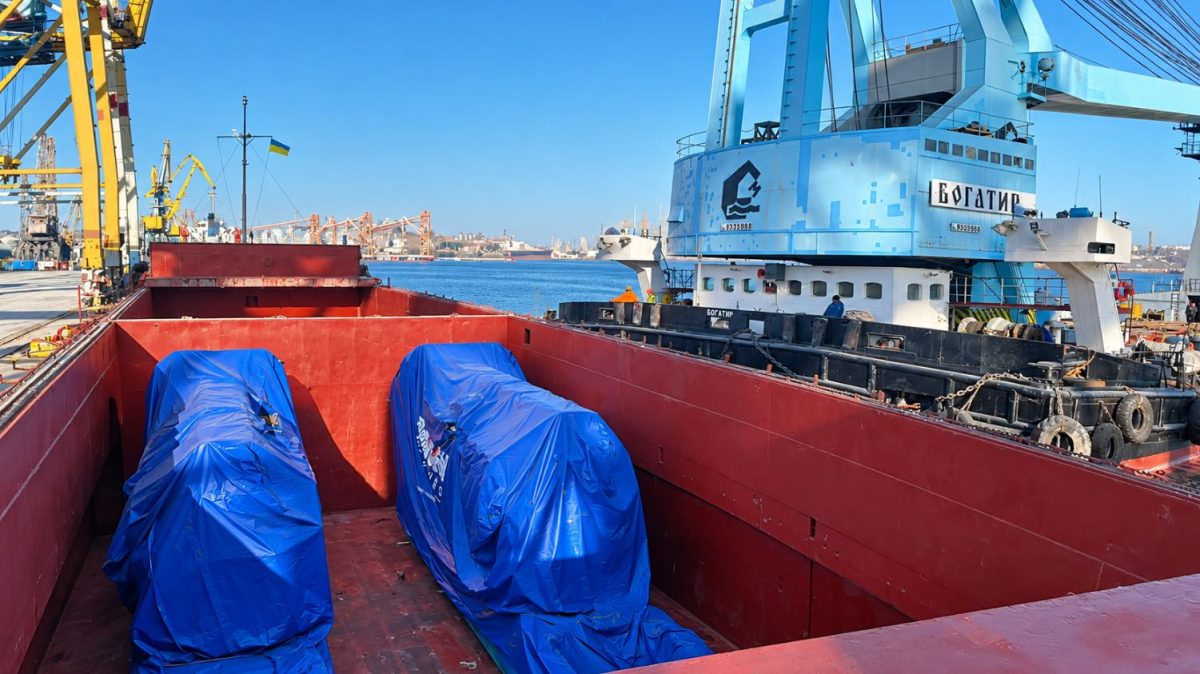
The vessel must have sufficient cargo space, appropriate hatch dimensions, adequate deck or tank-top strength and suitable crane capacity. Crane outreach is particularly important because maximum lifting capacity is normally available only within a defined operating radius.
If tandem lifting is required, the operation must be reviewed against the approved capacities of both cranes and the vessel’s lifting procedures. It is not enough to add the nominal capacities of two cranes and assume that the combined figure represents a safe lift.
Cargo positioning also affects stability, weight distribution and the space available for other shipments. A heavy unit that physically fits inside the hold may still be unsuitable for the proposed stowage position.
This is where automated vessel matching reaches its practical limit. Software can filter available tonnage, but an experienced professional must assess whether the vessel can complete the operation safely and economically.
Freight quotations depend on interpretation
Digital freight tools can create an expectation that a quotation should be available immediately. For complex cargo, speed is valuable only when the underlying information is accurate.
Two vessels with similar deadweight and crane capacity may calculate the same shipment very differently. One may consider the cargo compatible with an existing voyage, while another may require a substantial deviation. Port costs, canal restrictions, additional equipment and the vessel’s next employment can also influence the quotation.
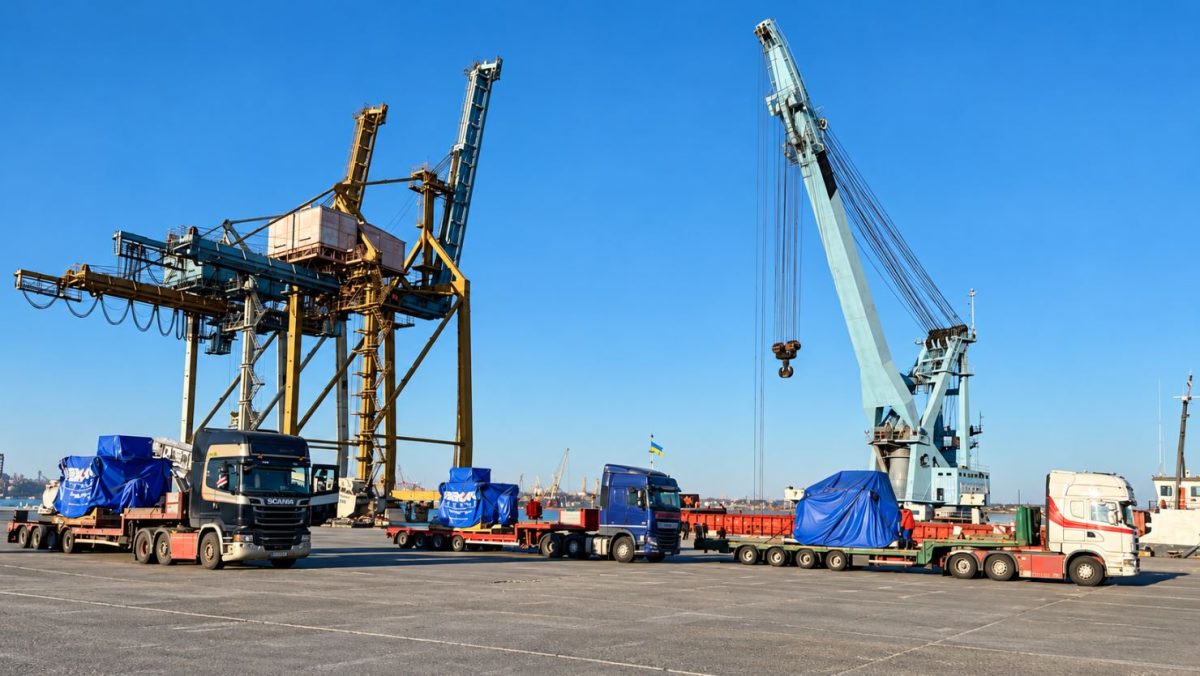
The cheapest initial offer may exclude important operational expenses or rely on assumptions that have not been confirmed. These can include shore-crane costs, special lifting gear, lashing materials, survey attendance or additional port time.
A quotation should therefore be evaluated as an operational proposal rather than a number generated independently of its conditions.
Experienced project cargo chartering connects commercial vessel availability with the technical reality of loading, carriage and discharge. The value lies not only in finding tonnage but in recognising which quotation represents a workable transport solution.
Port data cannot describe every local limitation
Port databases can provide dimensions, water depth, terminal information and available handling equipment. Nevertheless, actual operations are often affected by local conditions that are difficult to standardise.
A berth may theoretically accept the vessel but be unavailable during the required period. A terminal may have a crane with sufficient nominal capacity but lack the necessary outreach for the proposed lift. Heavy transport vehicles may face restricted access, limited working hours or insufficient manoeuvring space.
Weather limitations can also be decisive. Some cargoes cannot be handled safely during strong winds or precipitation. If the loading window is narrow, a weather interruption may cause additional port expenses and affect the vessel’s subsequent schedule.
Local agents, terminal operators and experienced brokers help verify whether published port capabilities correspond to the proposed operation. Digital information remains valuable, but it must be confirmed before contractual commitments are made.
Incomplete cargo data creates false efficiency
One of the greatest risks in digital freight procurement is the appearance of precision based on incomplete information.
A platform may accept approximate cargo dimensions and generate a rapid indication. However, preliminary measurements frequently change after manufacturing, packing or the addition of transport supports. An inaccurate weight may invalidate the lifting plan, while a small increase in height may prevent the cargo from passing through the vessel’s hatch opening.
The same problem applies to cargo readiness. A factory completion date does not necessarily mean that the equipment is ready for shipment. Testing, certification, packing, customs formalities and inland delivery must also be completed.
If a vessel is fixed according to an unrealistic readiness date, the shipper may face detention or demurrage. In severe cases, the vessel may be withdrawn because the cargo cannot be presented within the agreed laycan.
Human review helps expose these gaps before they become contractual problems.
Technology should support decisions, not replace responsibility
The strongest digital freight systems do not attempt to eliminate professional judgment. Instead, they organise information so that better decisions can be made.
Technology can help participants:
- Collect cargo specifications in a consistent format
- Identify potentially suitable vessels
- Compare geographical positions
- Exchange drawings and certificates
- Record quotation assumptions
- Monitor milestones and document changes
- Track the vessel and cargo after booking
These functions reduce administrative work and improve transparency. They also allow specialists to spend more time assessing the issues that require experience.
The distinction is important. Automation can identify options, but responsibility for selecting a workable option remains with the people managing the shipment.
Commercial negotiation still requires context
Complex cargo chartering involves more than agreeing on a freight rate. The charter party must allocate responsibilities for loading, discharge, lifting equipment, securing, surveys, port delays and cargo readiness.
Standard contractual wording may not adequately address an unusual operation. The parties must understand who supplies lifting gear, who approves the stowage and securing plan, and who bears the cost if the cargo information proves inaccurate.
Laytime provisions must also reflect the intended operation. Heavy cargo cannot always be loaded continuously, and work may depend on daylight, weather conditions or specialist personnel.
A digital workflow can record agreed terms and highlight missing information. It cannot negotiate balanced conditions without understanding the operational consequences behind them.
Human judgment becomes more valuable as systems improve
As freight platforms become more capable, professional expertise does not disappear. Its role changes.
Instead of spending time transferring basic information between emails and spreadsheets, experienced brokers and logistics specialists can focus on technical compatibility, risk identification and commercial strategy. Better data allows them to make faster decisions, but it does not remove the need to understand vessels, ports and cargo operations.
For routine shipments, automation can manage most of the transaction. For complex cargo, the final decision often depends on experience developed through actual voyages and port operations.
The most effective approach combines both capabilities: digital tools for speed, structure and visibility, supported by human judgment where the shipment cannot be reduced to standard parameters.
Conclusion
Digital freight technology has made shipping procurement faster and more transparent. Yet complex cargo continues to require interpretation, coordination and accountability.
A system may find an available vessel, but it cannot independently confirm that the cranes have sufficient outreach, that the cargo can pass through the hatch, that the terminal can support the operation or that the contractual terms allocate risk appropriately.
Those decisions form the last manual mile in digital freight.
The future of complex cargo logistics is therefore not a choice between automation and human expertise. It is a combination of digital efficiency and informed professional judgment—each applied where it creates the greatest value.
 Half of UK workers suffering mental health issues, heightened by rising cost of living
 Kangourou Kids Hops to It with Golden Bees
 Yamalube Marine Oils
 TruTac in the driving seat with new Integrated Compliance Control for CV Show 2019
 ACT Fulfillment Celebrates 30th Anniversary by Implementing Softeon’s Industry-Leading WMS
 Qlik Expands Insight Advisor To Deliver Industry’s Most Robust AI-Driven Cloud Analytics Experience