

Creating a creative lifestyle journal from a personal blog involves a change in approach from random diary updates to intentional curation of material, thematic focus and polished multimedia presentation.
It implies that one can use daily life experiences as material for the editorial, not as simple diary notes.
Refining Voice and Core Themes
Most personal blogs fail to grow because they are like random calendars. One week is a random dinner, the other is an unraveled work complaint and both are not a good excuse for customers to come back. A lifestyle journal is different in that it uses clear editorial lenses of design, wellness, travel, culinary craft or other personal content to filter out some of the personal reality.
Begin with a limited number of subject pillars (3-4) that can be repeated. As a food writer, don’t just describe what you ate on Tuesday. Write about kitchen organization, buying local produce, or learning how to make one reduction sauce. It’s still the same subject in your regular routine but the takeaway is for the reader.
It requires conscious calibration to have an even readable cadence across topics. If you are going to mix your personal essay with how-to instructions, you can run your drafts through a writing tone editor online to help identify abrupt changes in tone or pacing. With an objective look, one will be able to identify the areas where one tends to be overly academic or simply too blunt in his or her phrasing.
The voice should sound consistent, regardless of topic changes. People subscribe to you as a reader of how you see situations, not just the situations themselves. That means cutting out the “throat clearing” sentences that serve to lengthen the essay but offer no new viewpoint.

Designing Visual Layout and Typography
Using a template for a blog is not really an ideal fit for an aesthetic journal. Old-fashioned “wall of text” pages, organized by date, are too much for people to handle and don’t indicate what is important. Creative publications make use of visual breathing room, deliberate margins and sensible typographic hierarchy to slow down the reader.
Divide long stories into descriptive headings. Extract important information from stand-alone callout boxes and not within 400 word boxes. When you need to make some important points stand out on social sites or in sidebar modules without changing your site’s stylesheet, there are online bold text generator that can help you create simple and clear Unicode bold text in plain text environments.
Photography should show real, not stock, environments. One crisp photo of your desk, an open notebook, or an ingredient preparation board is more impactful than 10 perfect stock images. Maintain a consistent size for images and optimize all assets to avoid slow pages, which will irritate mobile readers.
Whitespace is not a passive, but an active design decision. When there’s space around pictures and paragraphs, your journal feels open and tactile, like a print journal you’d find in the independent sector.
Documenting Health and Daily Routines
Lifestyle journals frequently touch on personal wellness, energy management, and physical recovery. The challenge is discussing health honestly without devolving into vague wellness cliches or tedious daily habit logs.
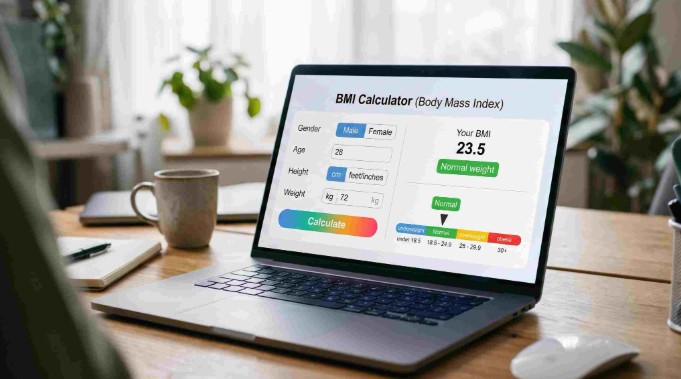
Focus on your wellness messages on accomplishable and quantifiable habits. When recording an overhaul of the sleep program or a seasonal training plan, talk through the schedule changes, equipment changes and recovery limits you personally faced. If you are tracking overall body composition changes or training cycles, it’s useful to find an BMI calculator online to show a benchmark against which the reader can compare your starting measurements.
Data is not the most important thing in isolation. Raw numbers, without your baseline, athletic goals, or dietary changes, is only a source of confusion. Make it clear why a specific benchmark is important and what compromises were made to achieve it.
Avoid presenting subjective health experiments as universal medical advice. The personal experimentation that frames your observations makes your writing credible, responsible and maintains the intimate quality of journal writing.
Integrating Experimental Multimedia Content
While text is the base of any serious publication, lifestyle journals benefit from the inclusion of different creative forms. Introducing audio clips, short video dispatches, and casual digital experiments keeps your archive dynamic.
Small audio files from the environment, from field recordings made on weekend trips, or from short voice recordings can make a location review come alive and appeal to the senses. Video is also effective when it’s short and demonstrates something, such as the movement of a ceramic wheel or the texture of a paper stock.
Creative experiments can also be playful, and indulge in internet culture. For example, combining a fun music recap of a project week gone wrong, with video clips made through a rap video generator online, adds self deprecating humor to an otherwise serious online environment. Readers are reminded that the journal is a living lab, not a corporate feed, thanks to creative side trips that are not expected.
The point is not to be a high volume video channel. Use media to purposefully enhance the written page, rather than to substitute for it.
Building a Sustainable Publishing Habit
An ambitious creative essay is not practical for an independent creator, to write one each week. Burnout occurs when writers are trying to artificially follow a schedule and posting their filler just to pad their numbers to some preordained quota.
A sustainable lifestyle journal operates in season or in issue editors. Organize your content into themed sets, like a six-part series about designing a home workshop or a month long series about area hiking trails. This will allow you to research, photograph and edit posts extensively before anything comes live.
Have an ideas book in which you can write down anything you notice, bits of conversations and pictorial ideas throughout the week. Instead of sitting down to write with a blank page to jump-start your creativity, you’re simply arranging notes you’ve already written.
Focus on archive benefits rather than short-term search jumps. Think of your blog site as a library that you are creating for yourself that will have value and meaning 3 years from now, and write accordingly, not as if it were a digital “feed.
 Financial services software has fewer security flaws than most industries
 New sponsorship underway for IFS Cloud Cable Car
 BCS appoints head of critical infrastructure
 A Business Guide to Shipping Vehicles Across the United States
 Descartes Introduces New AI-Powered Free Trade Intelligence (FTI) Solution to Help Reduce Trade Costs
 62% of wholesalers missing out on digital marketing opportunities